

NARRATED GLOSSARY

Stages of book production and decoration

fascicolazione
progettazione della pagina
scrittura
decorazione
legatura
Fascicolo
Composition of the quire

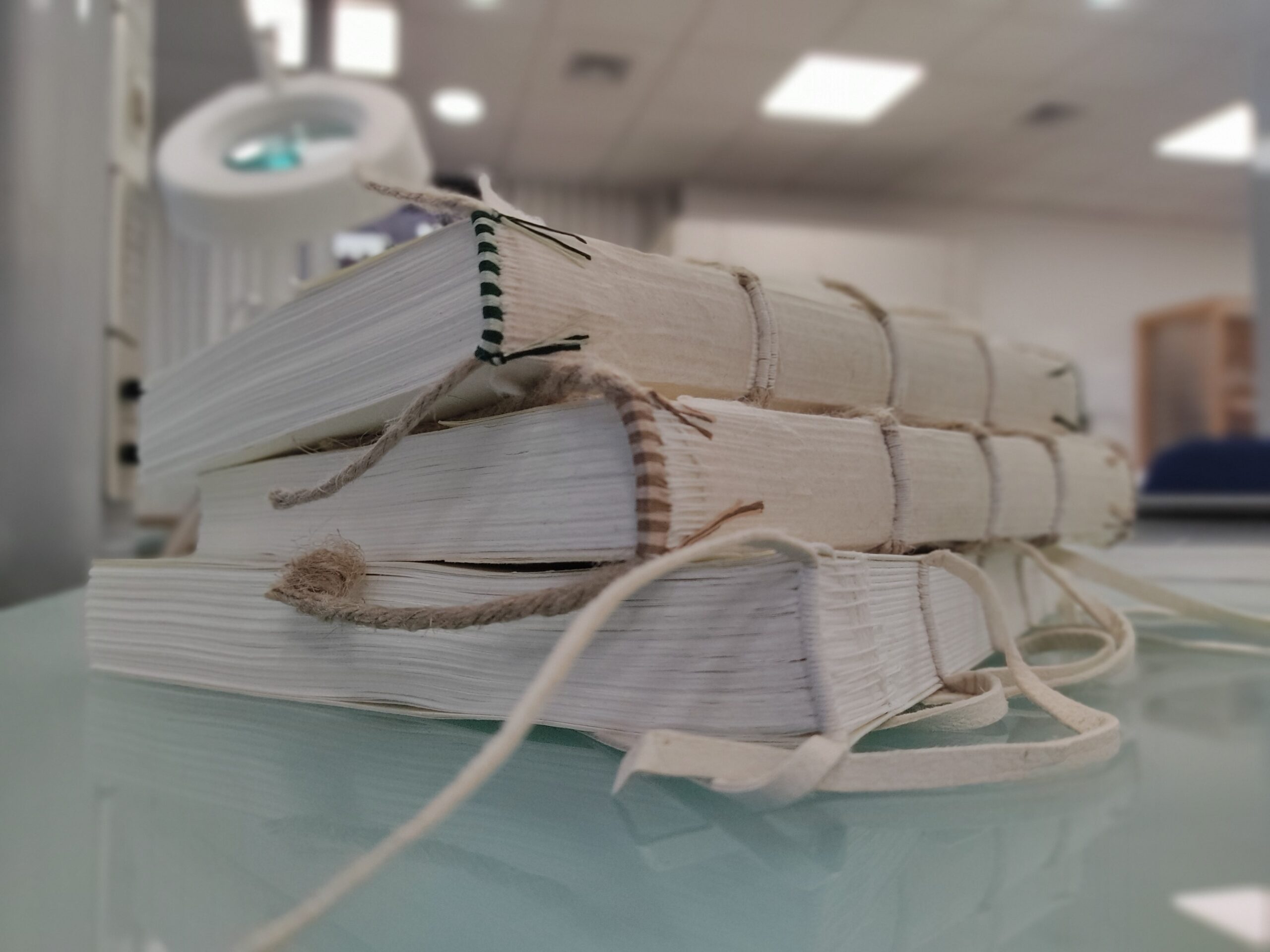
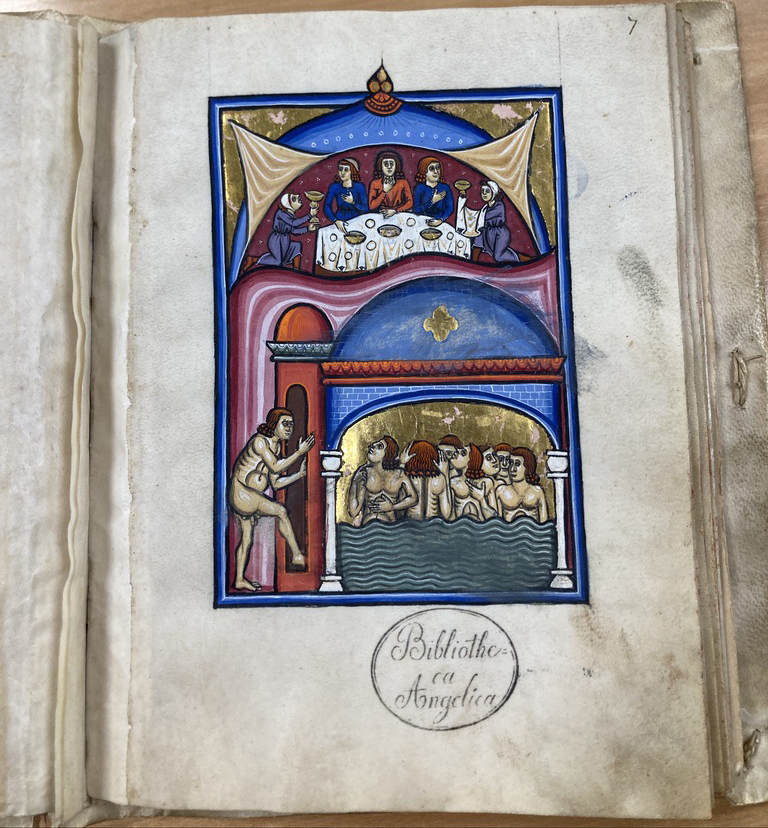
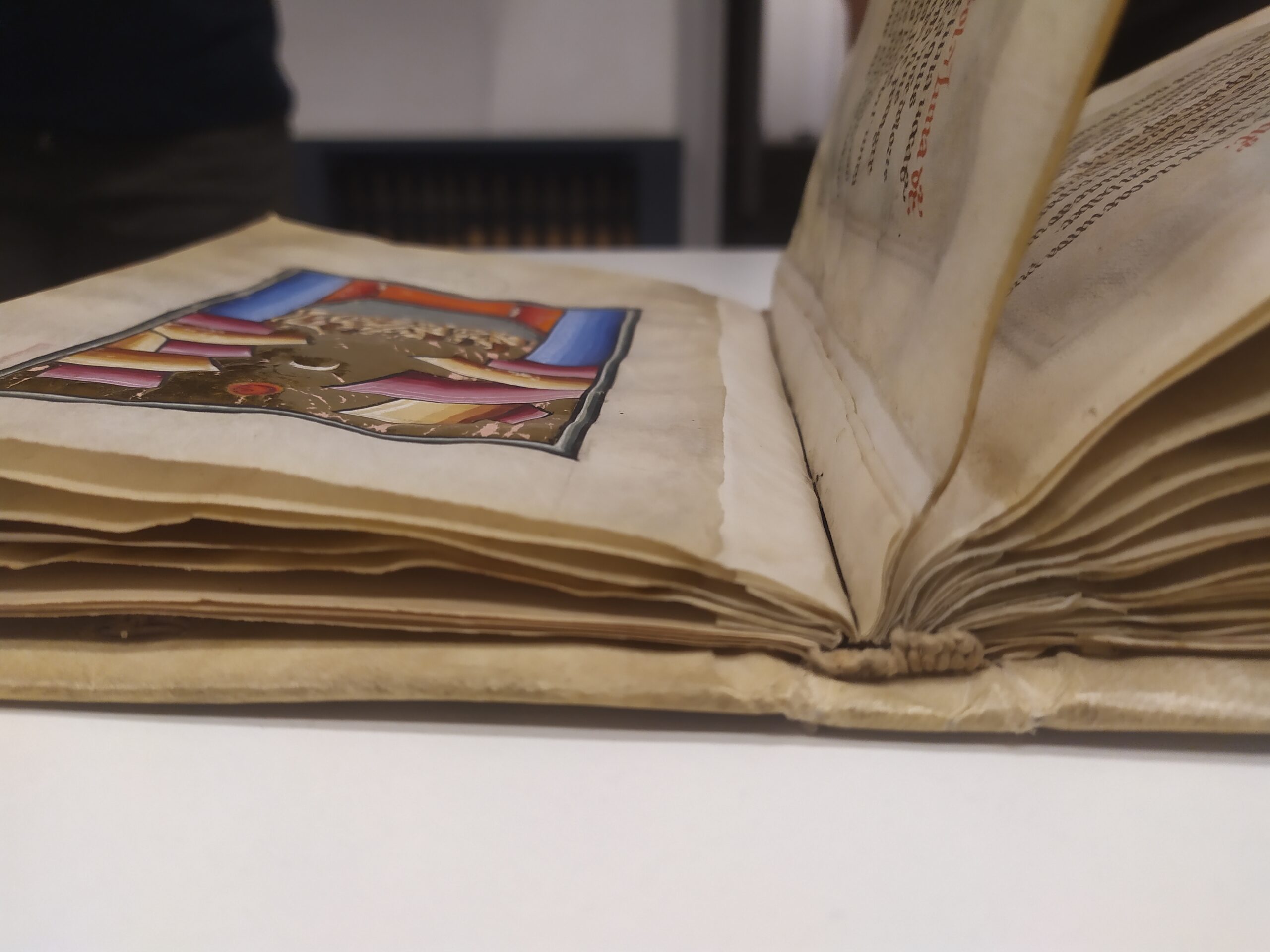
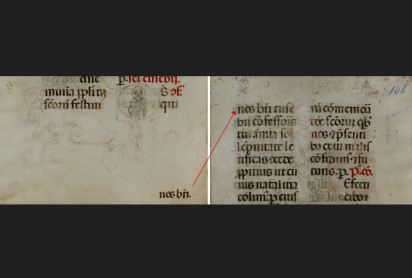
The quire constituted the basic unit of the structure of the codex and consisted of a series of folios - typically 4 - folded and inserted one inside the other. The parchment quires were arranged so that when the book opened they would face the same sides: the flesh side (smoother and whiter) with flesh; the hair side (more yellowish, with hair follicles) with hair (“Gregory’s law”).

previous arrowprevious arrow
next arrownext arrow
Foratura
Perforation

Preliminary to ruling (see), perforation comprised making a series of holes in the margins necessary to draw the horizontal lines (rectrici) and the vertical lines (justification) using different tools (penknife, awl, or compass). The most common system was to perforate the folios in one go on a quire that had already been folded and composed, although alternative systems existed for single or double folios.

previous arrowprevious arrow
next arrownext arrow
Tecnica
Writing as a technique

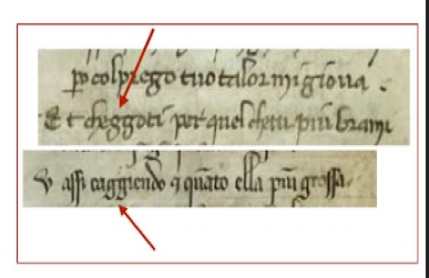
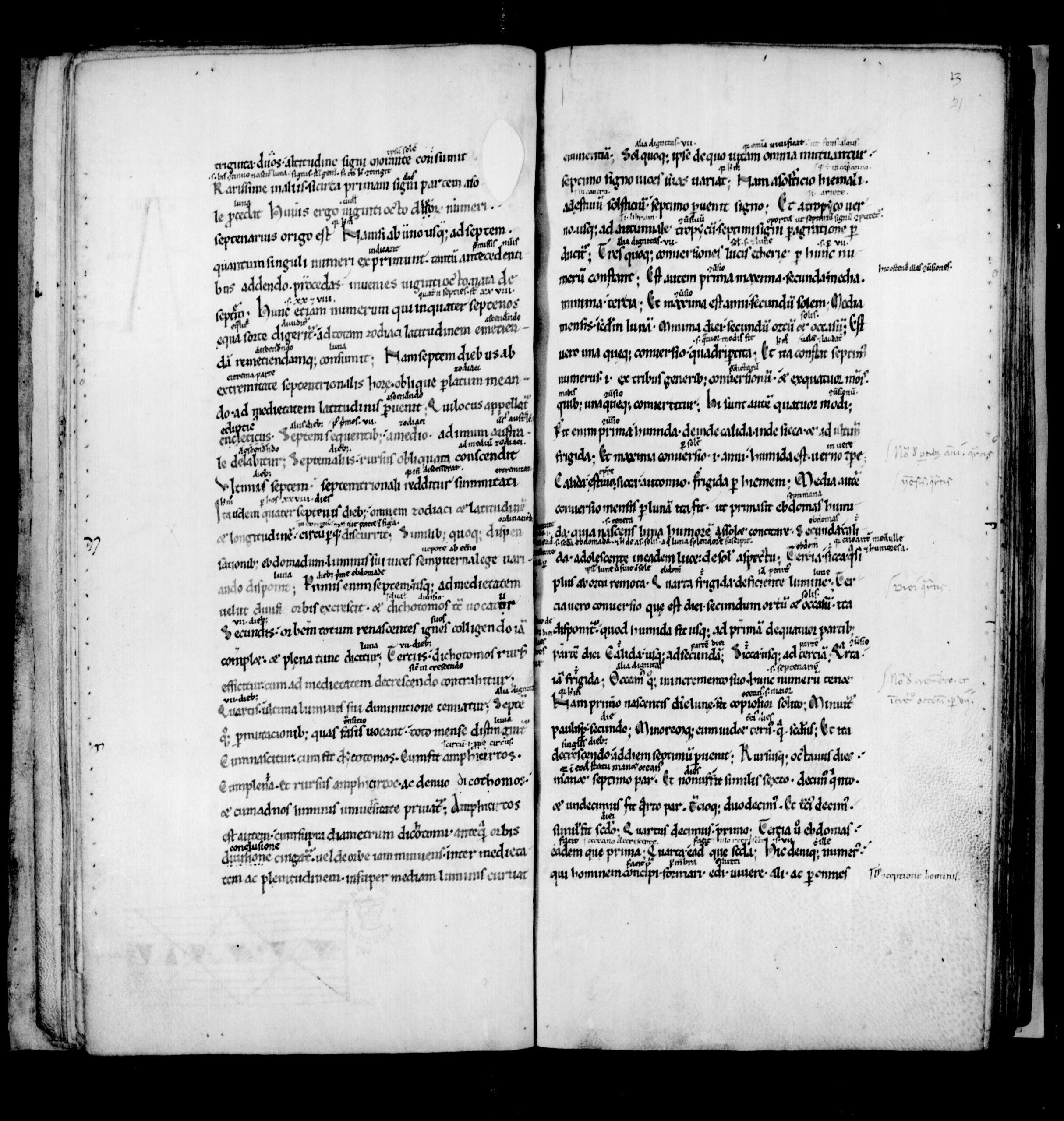
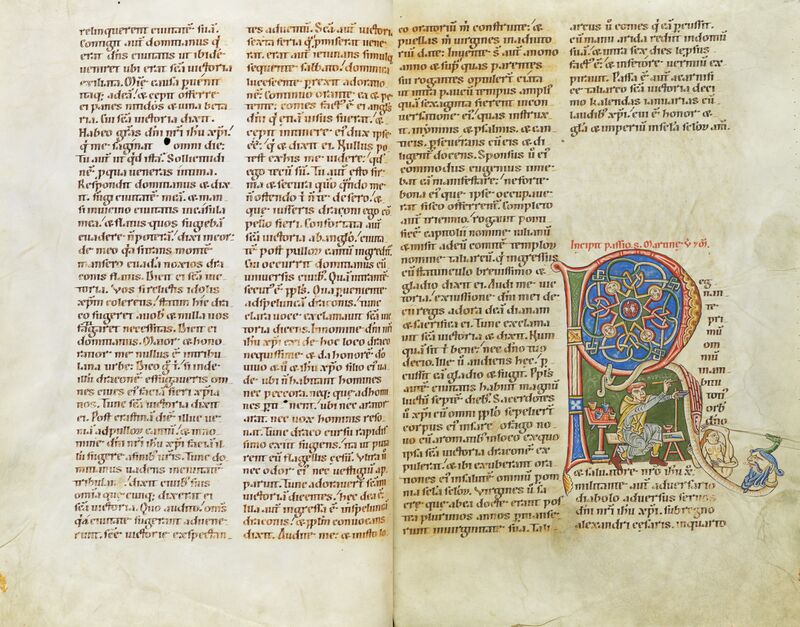
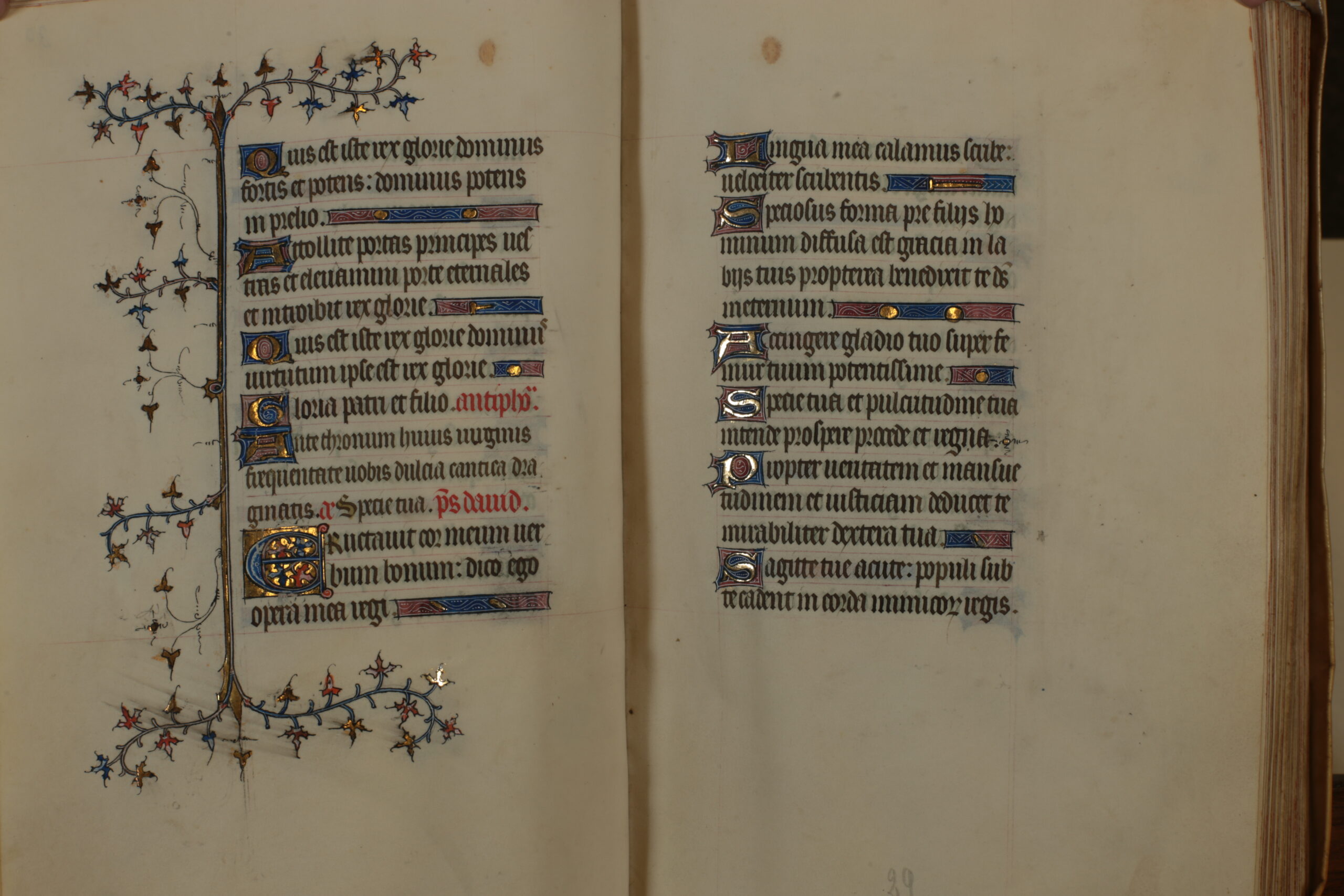
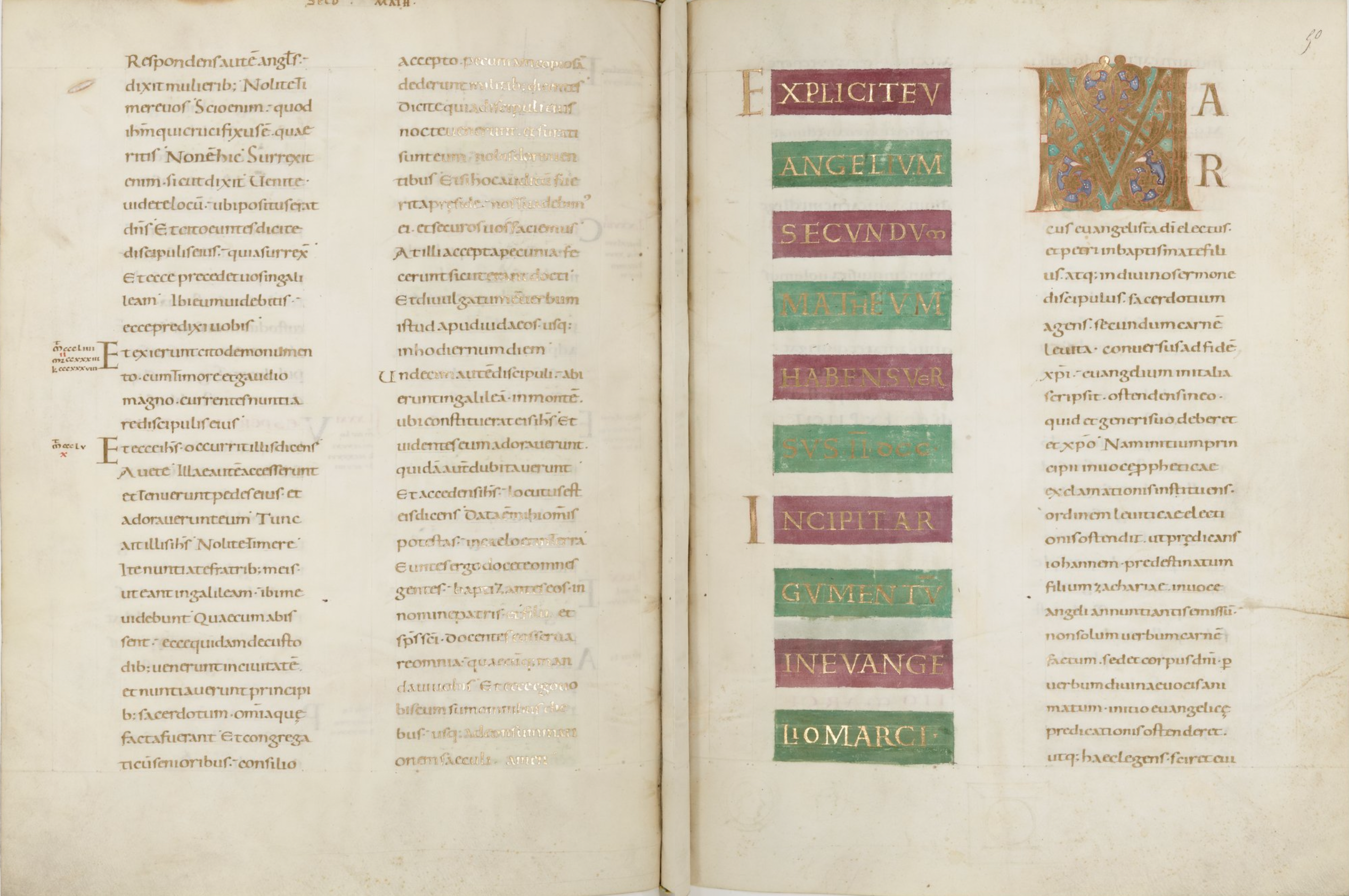
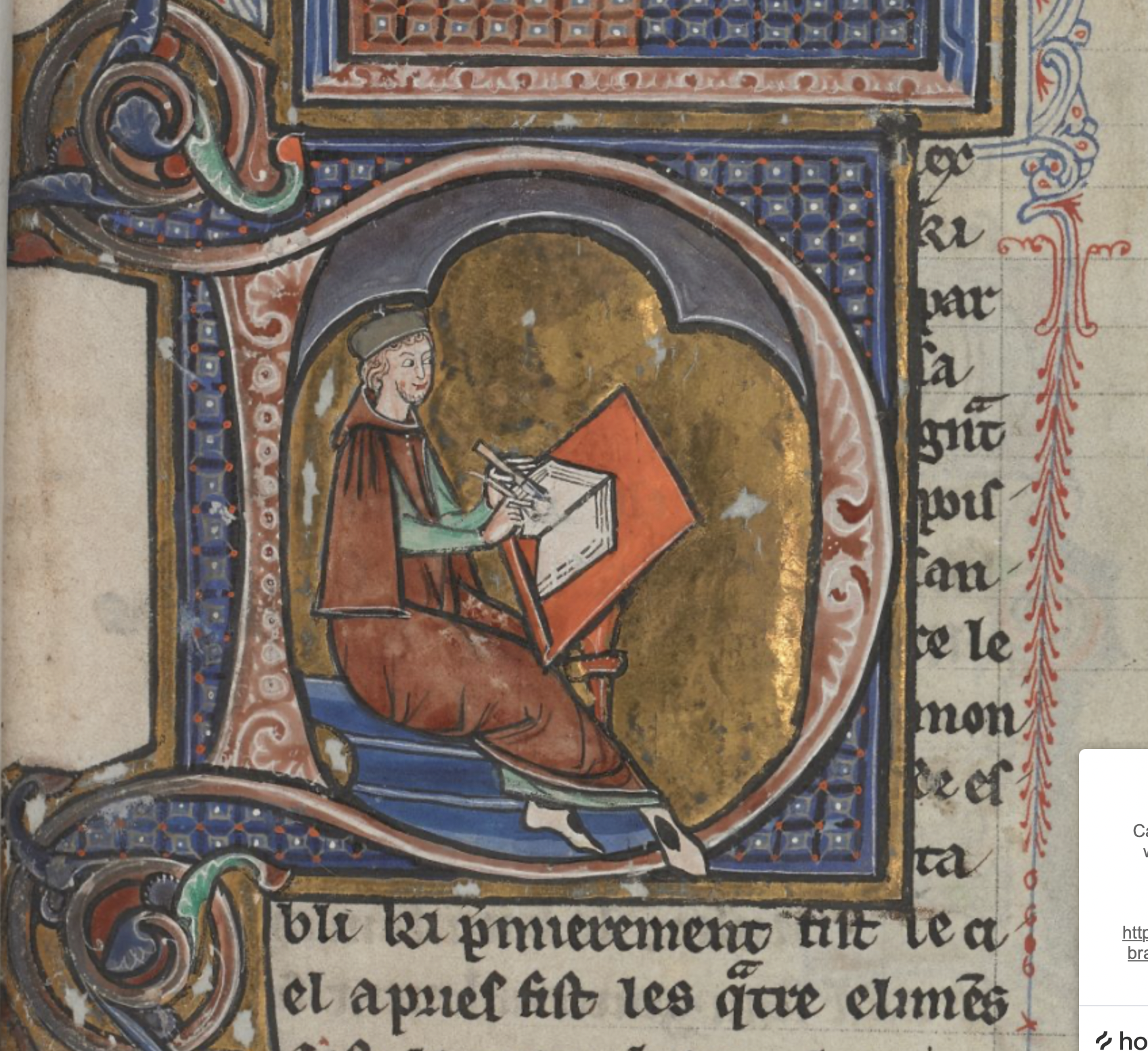
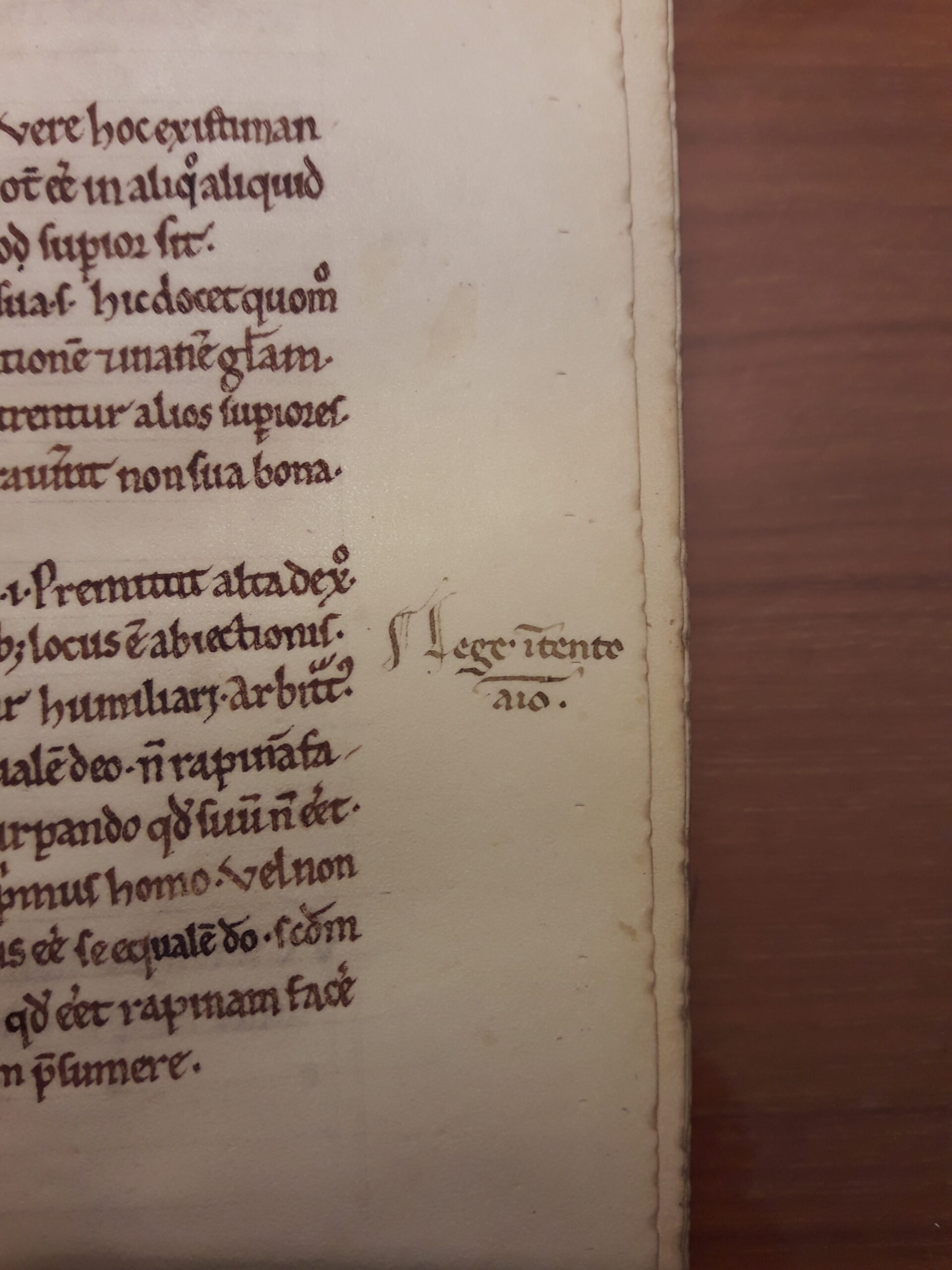
Since writing is not a natural skill, but an art to be learned, this skill determined, a general division among the literate and the illiterate on political, cultural, and social grounds. In the early Middle Ages, writing technique was almost exclusively confined to the ecclesiastical (religion of the word) and legal (Roman law) realms. In the late Middle Ages, writing spread to the courts, universities, merchants, craftsmen, and artists: the new secular classes and circles.

previous arrowprevious arrow
next arrownext arrow
Finalità e significato
Purpose and meaning


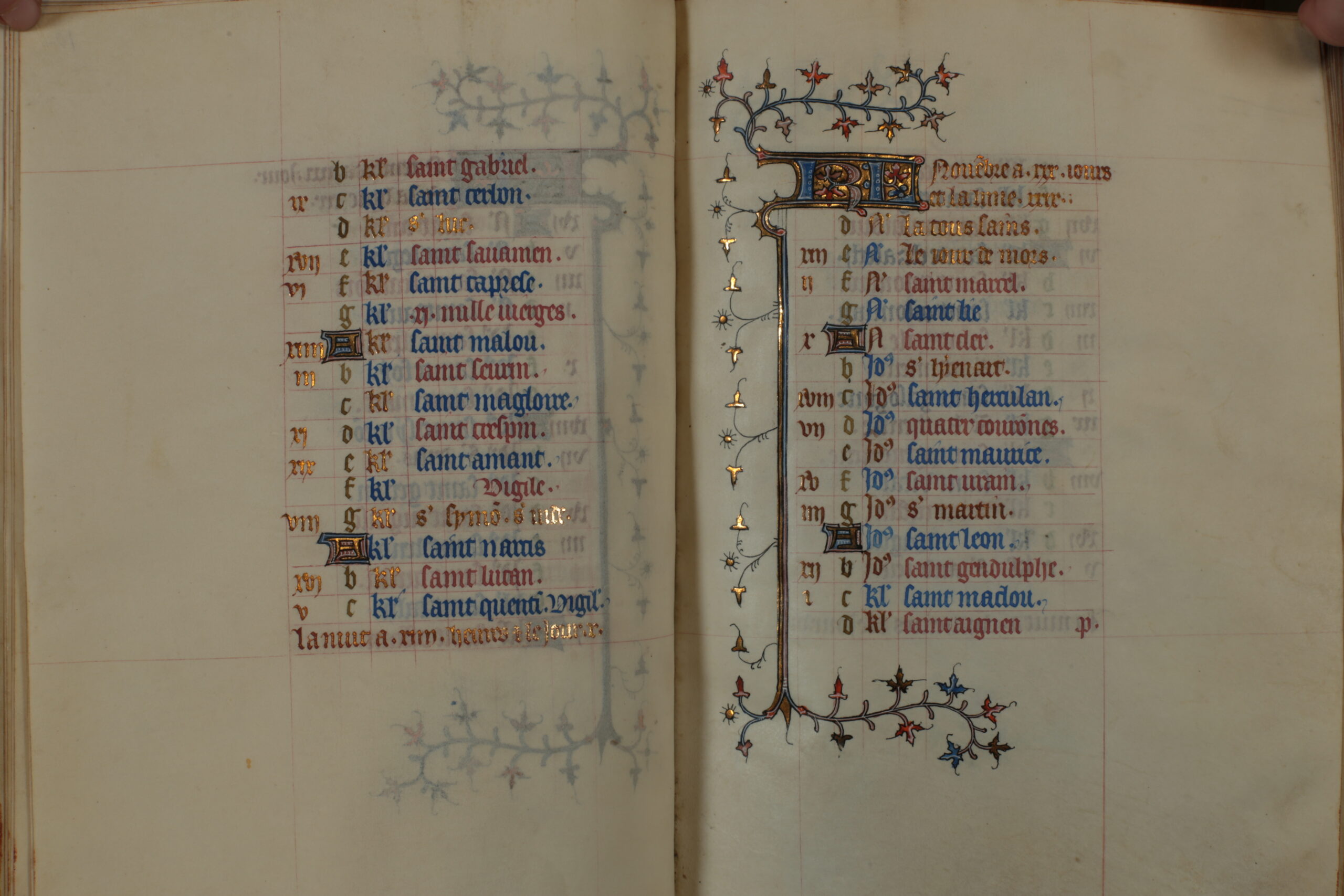
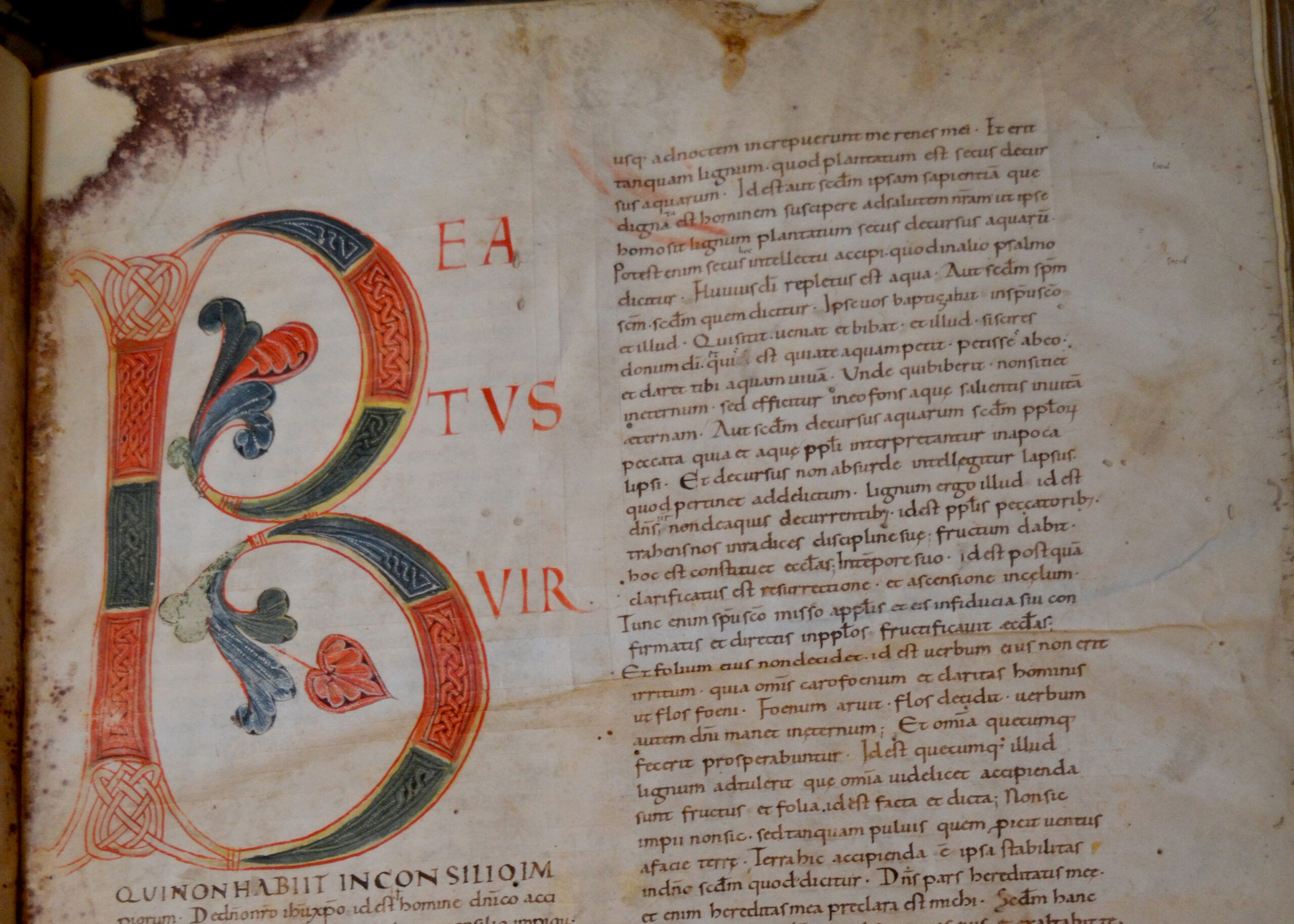
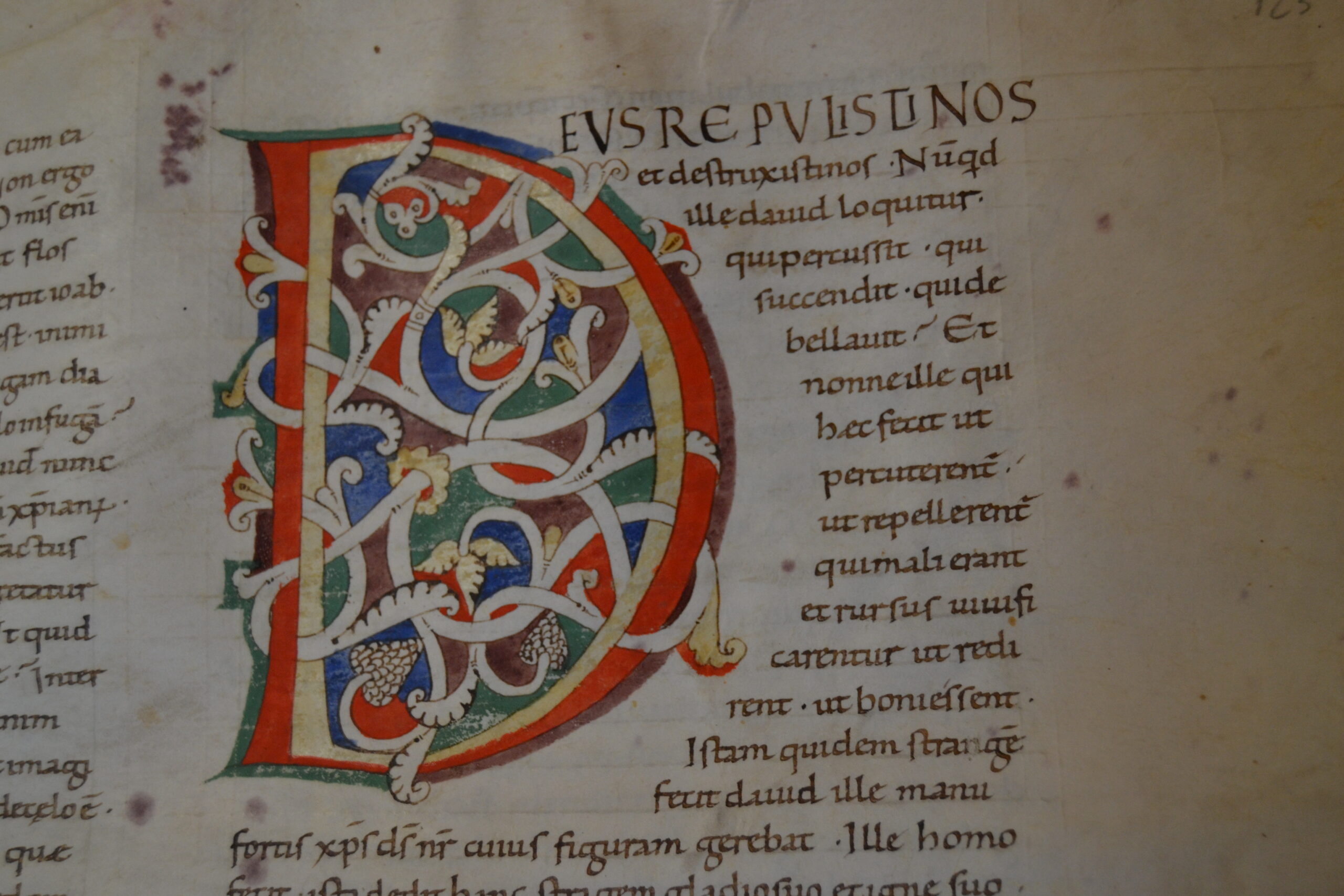
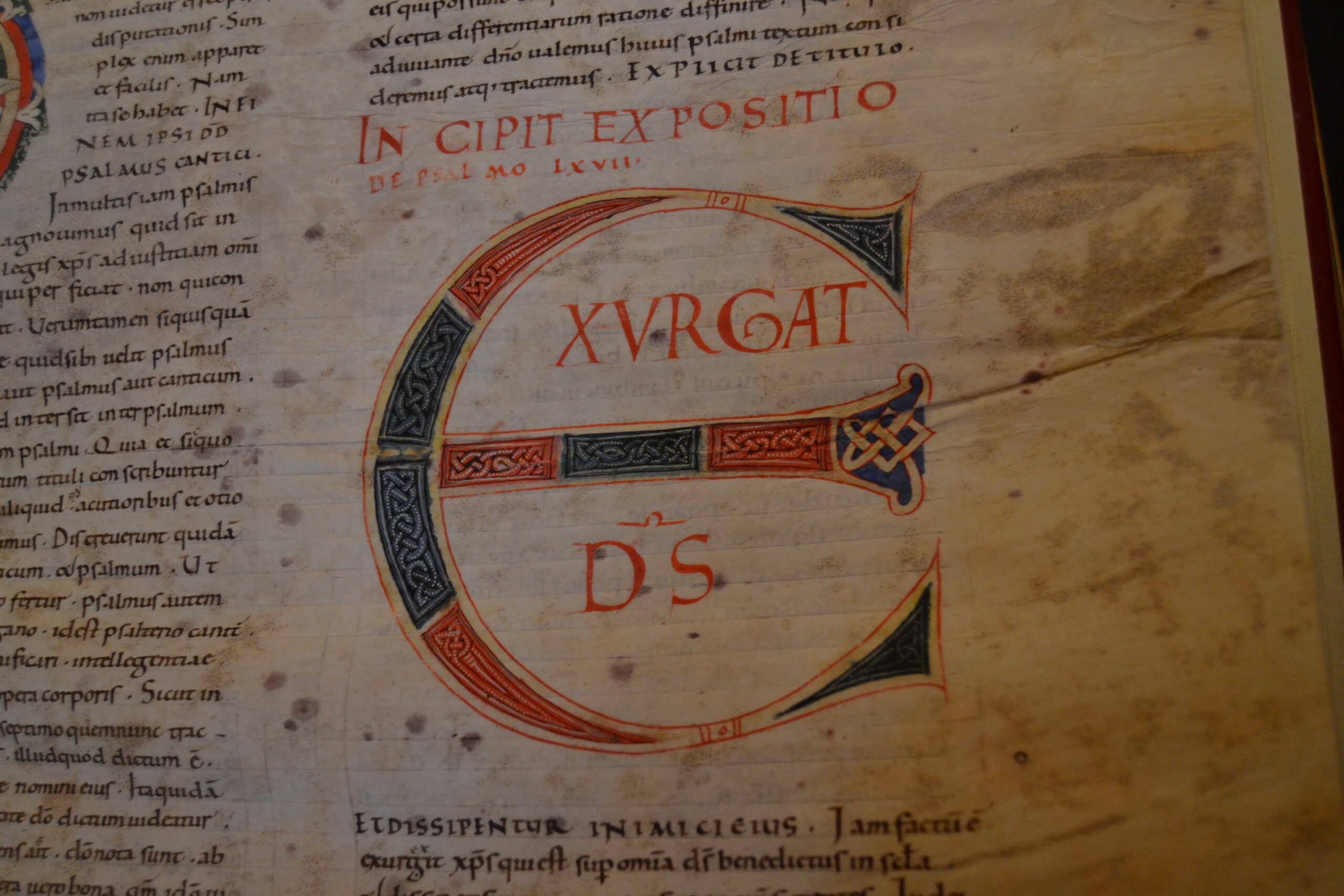
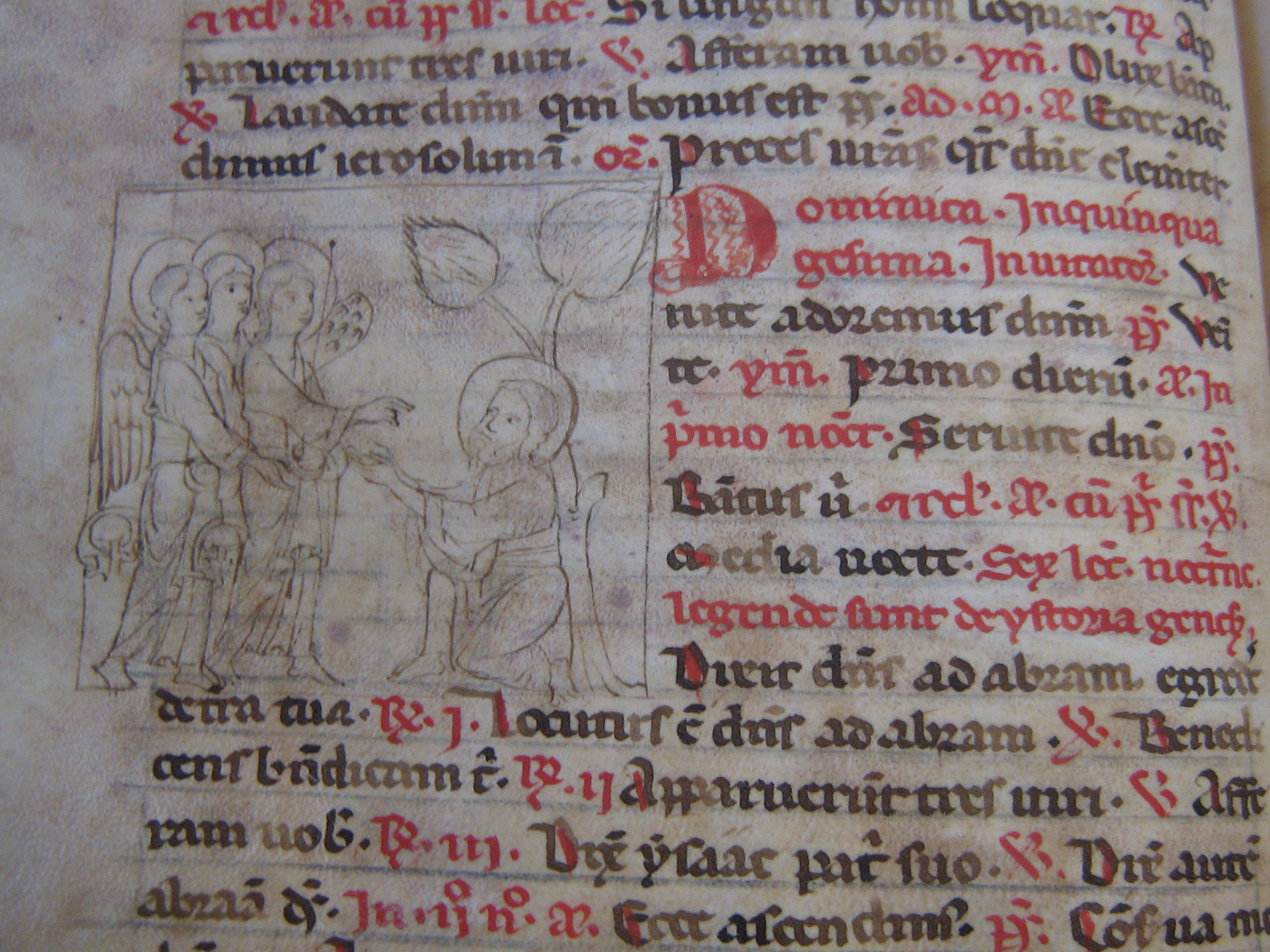
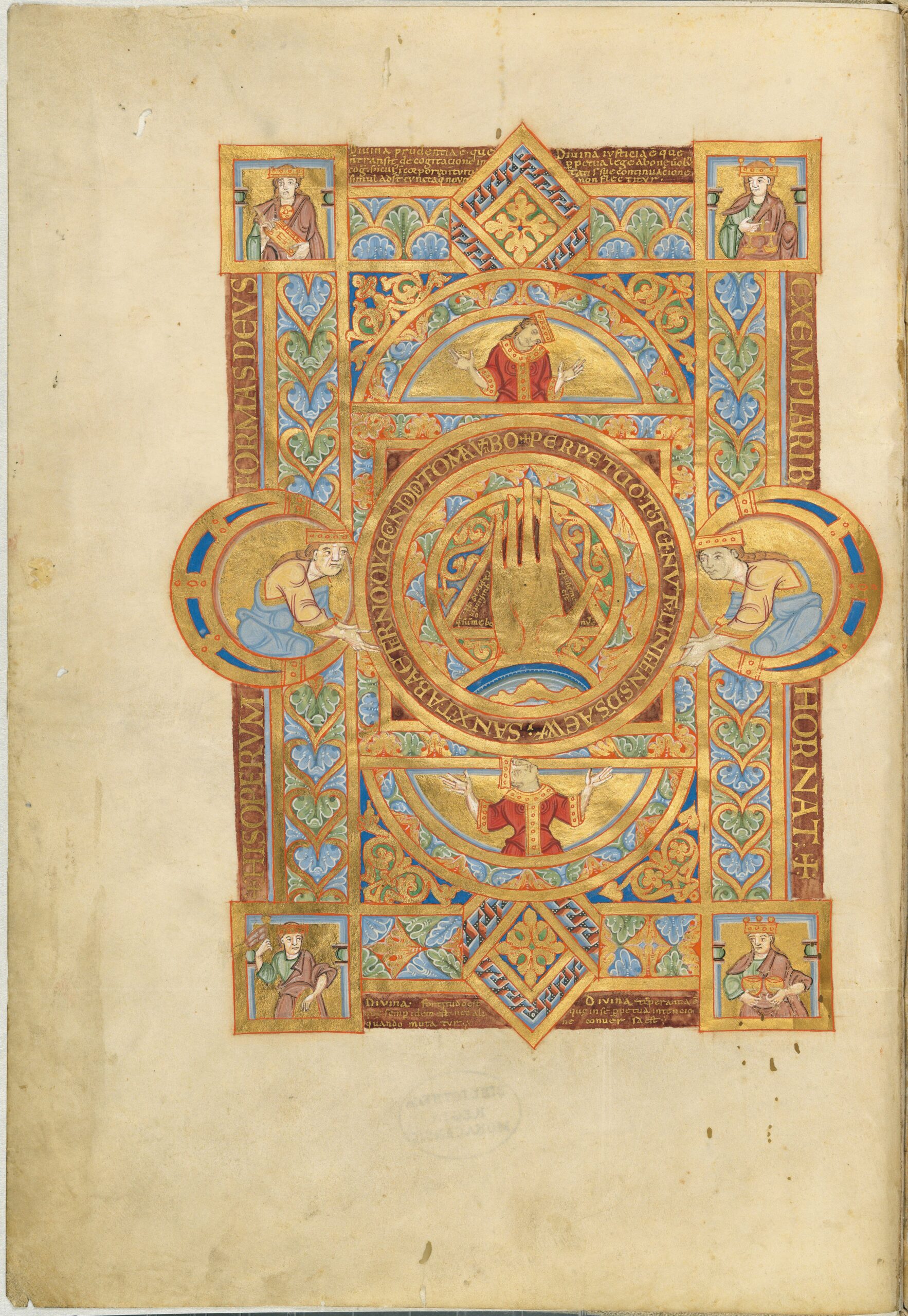
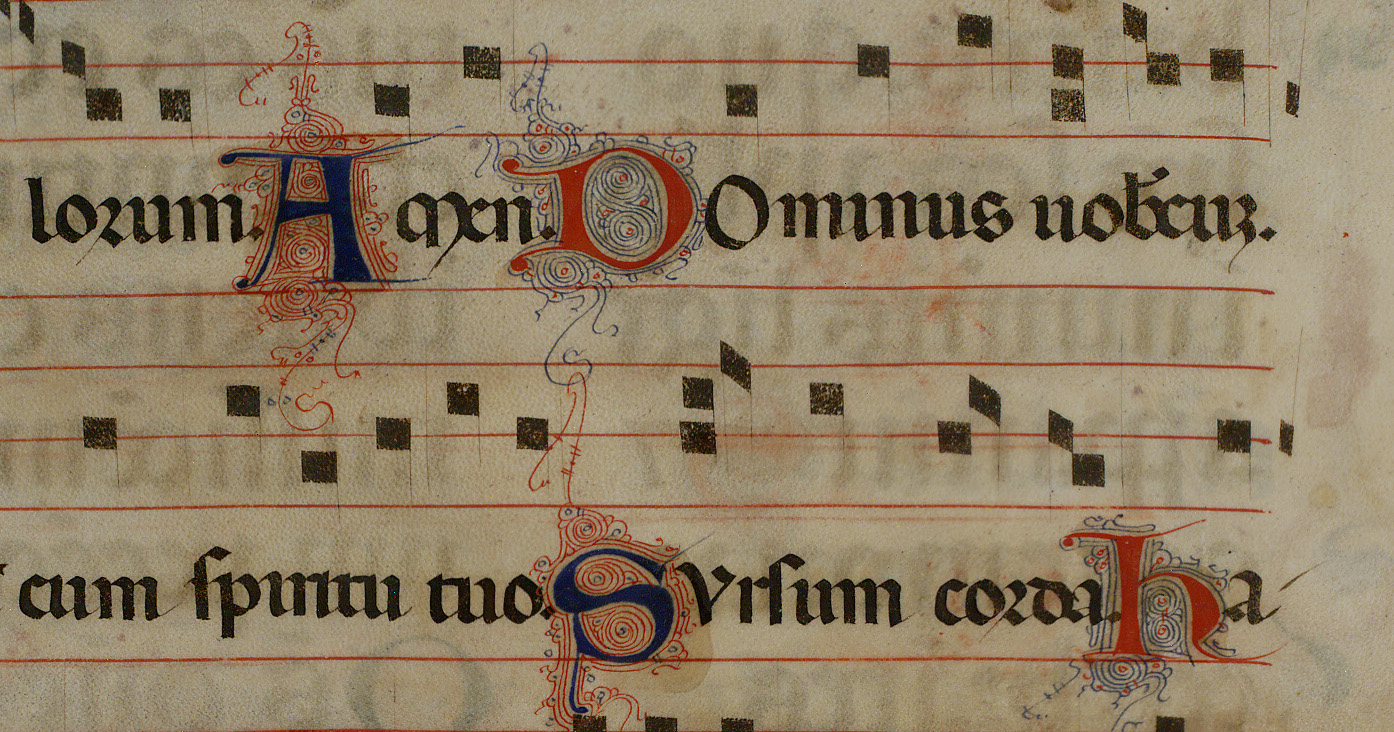
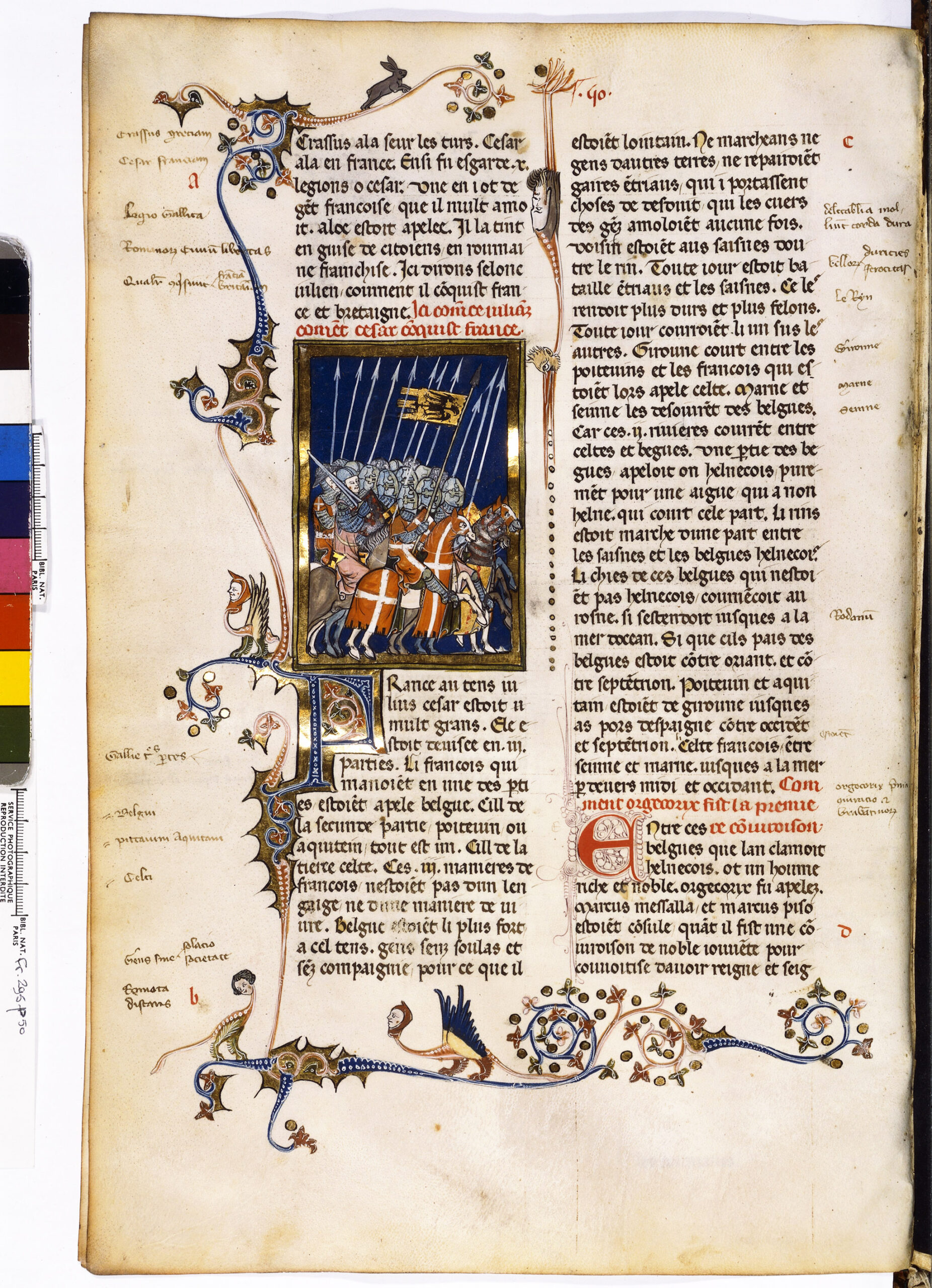
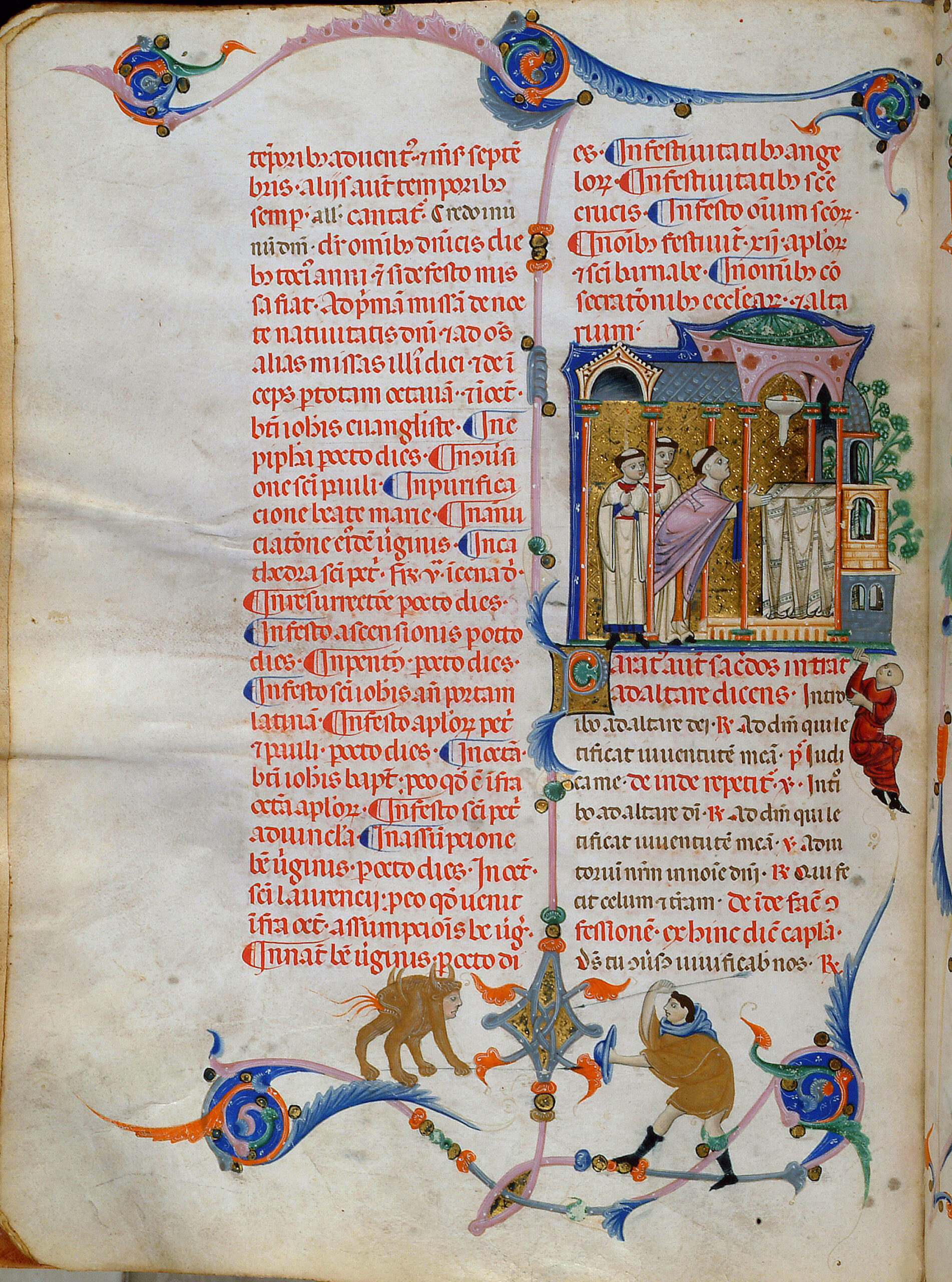
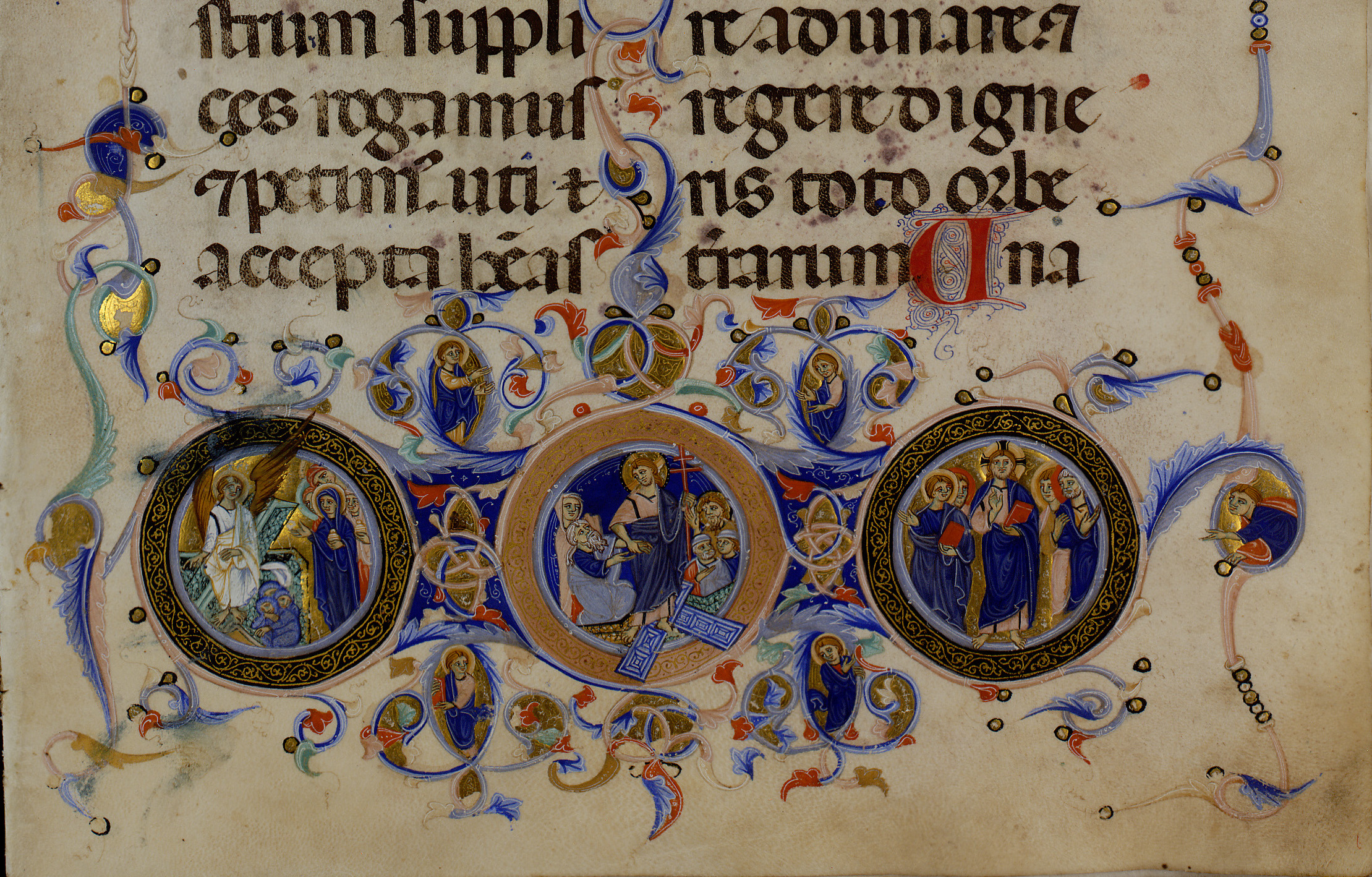
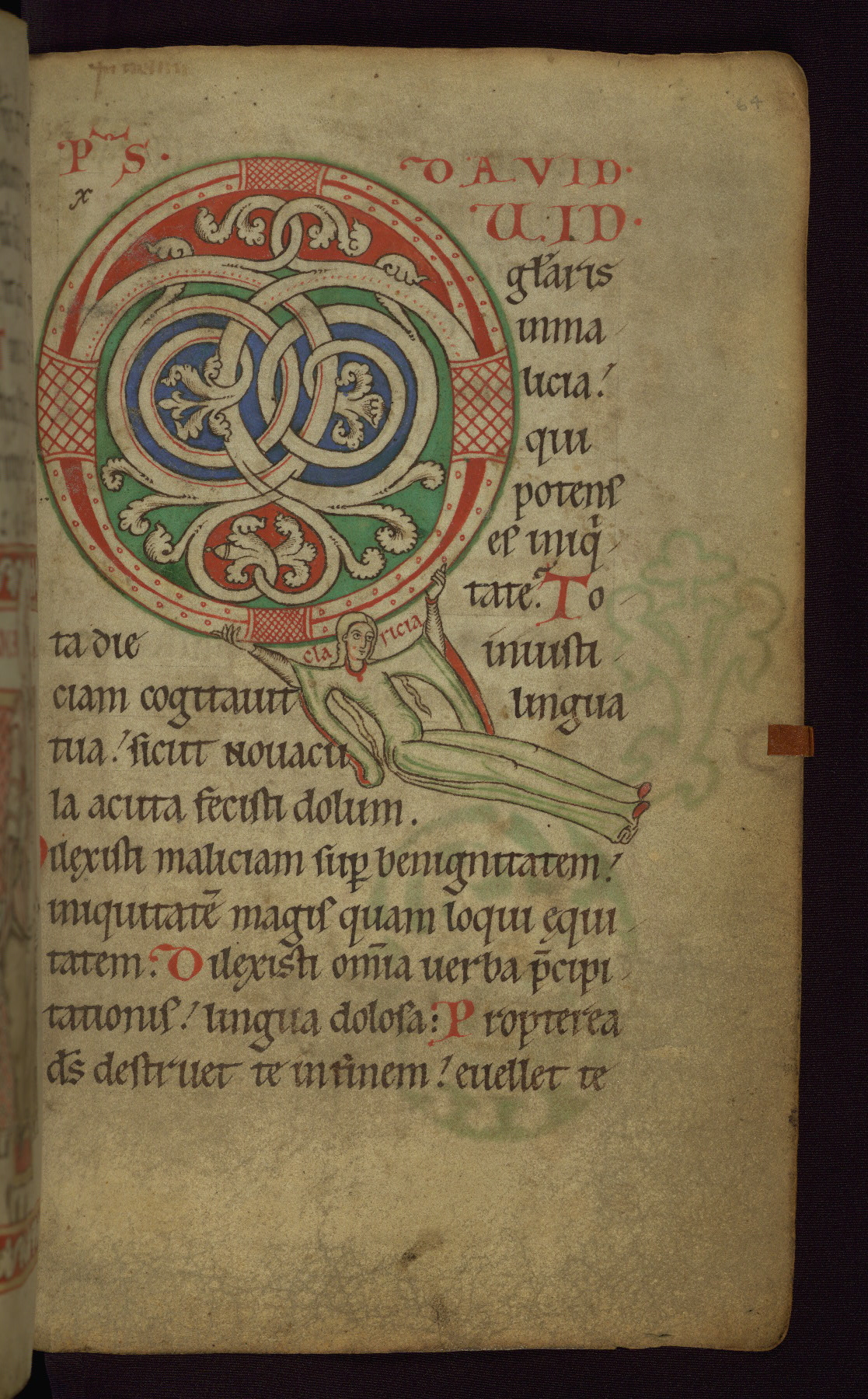
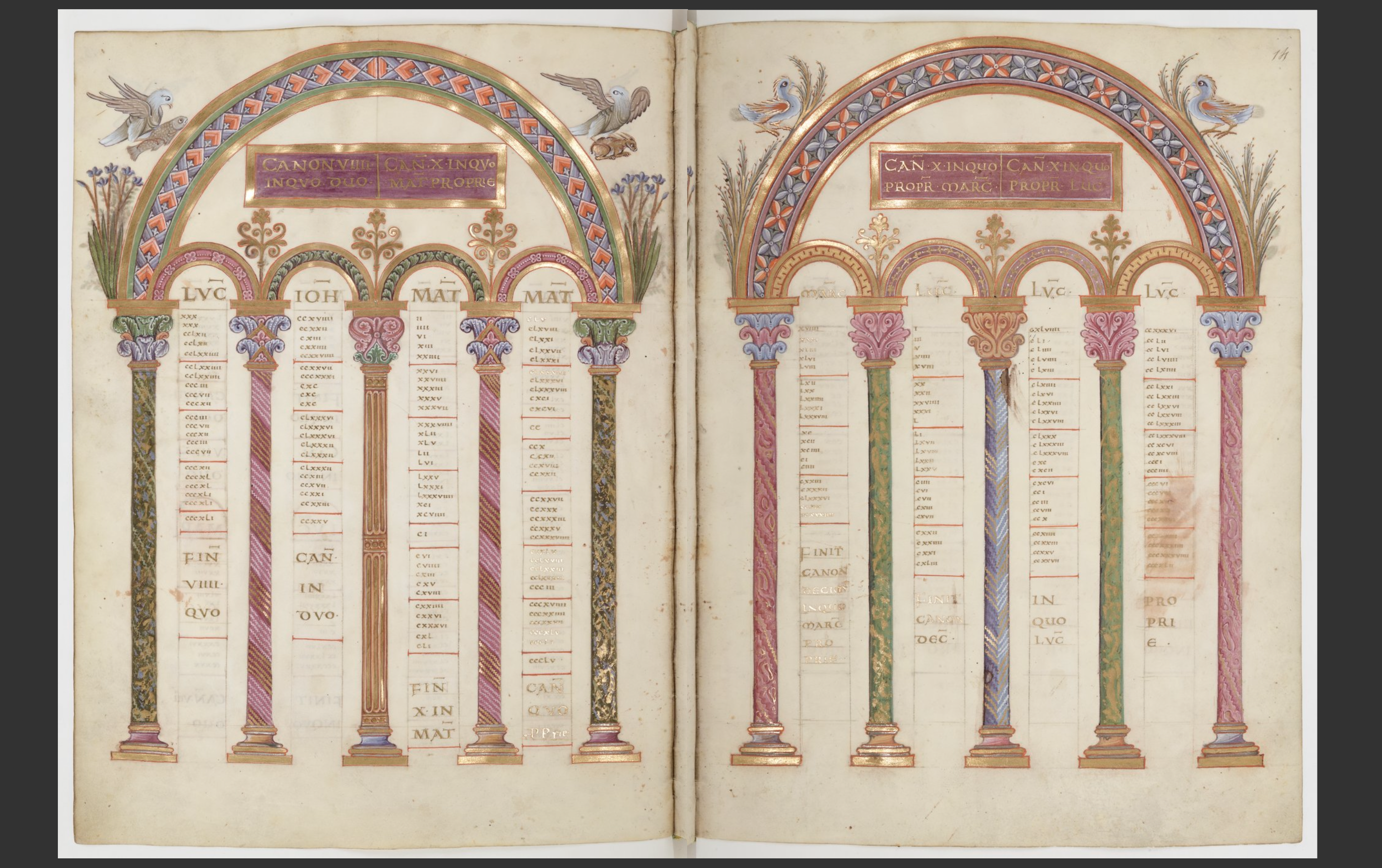
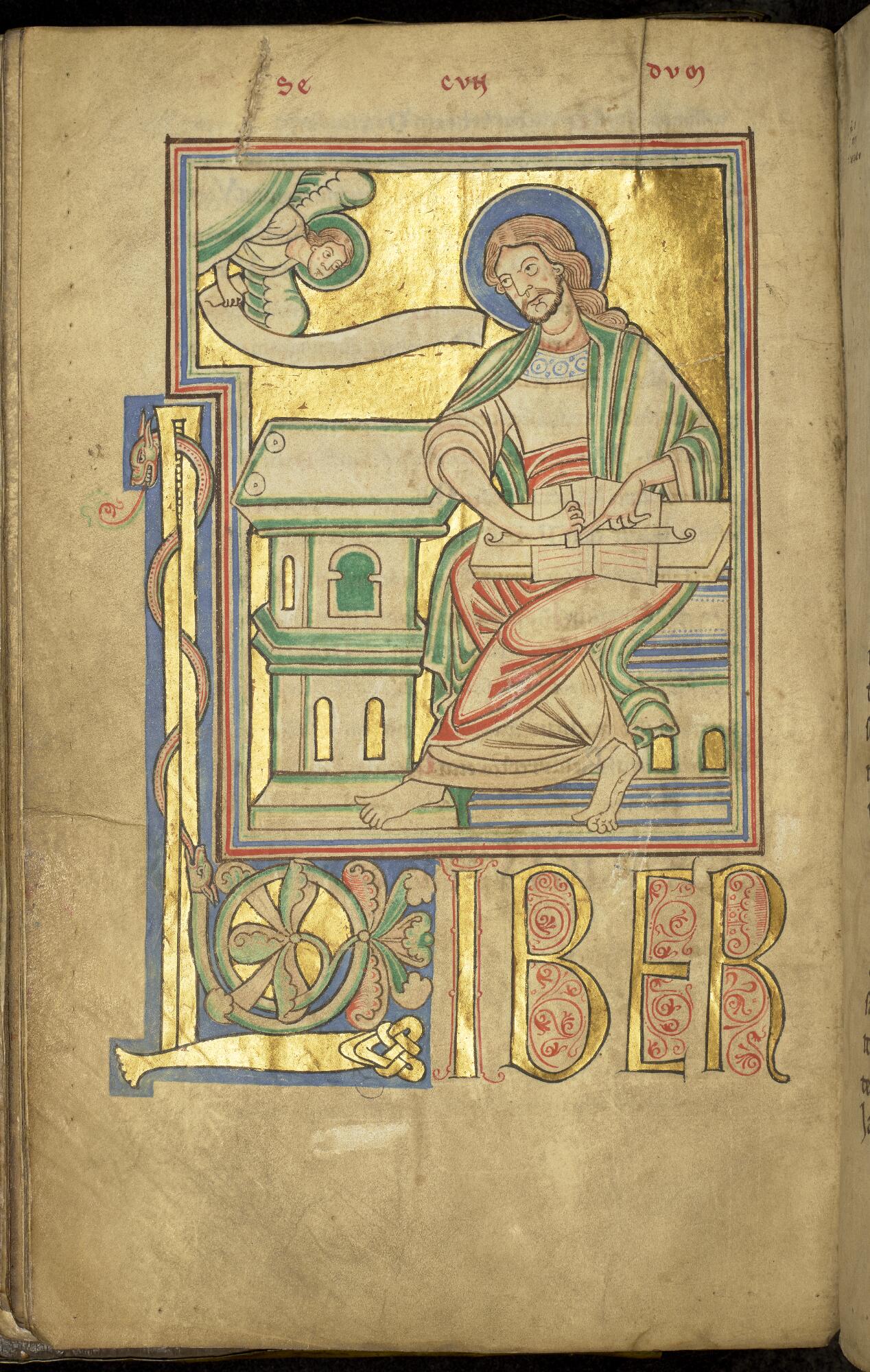
Decoration of the book had a primarily aesthetic and narrative intent. Initials and illustrations, made using more or less precious materials, up to and including gold, affected the cost of making the book/merchandise and then the market cost of the book/commodity, as well as, with its preciousness, and especially policies concerning its preservation over time.

previous arrowprevious arrow
next arrownext arrow
A cosa serve
What was it for?

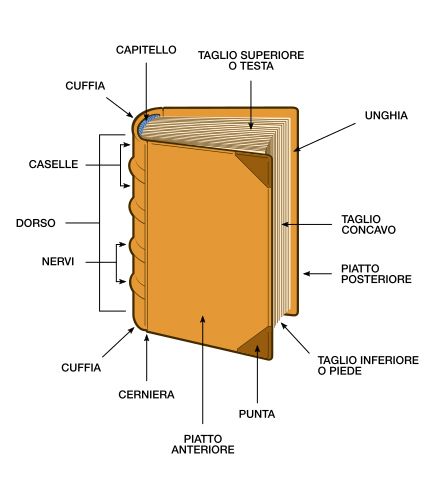
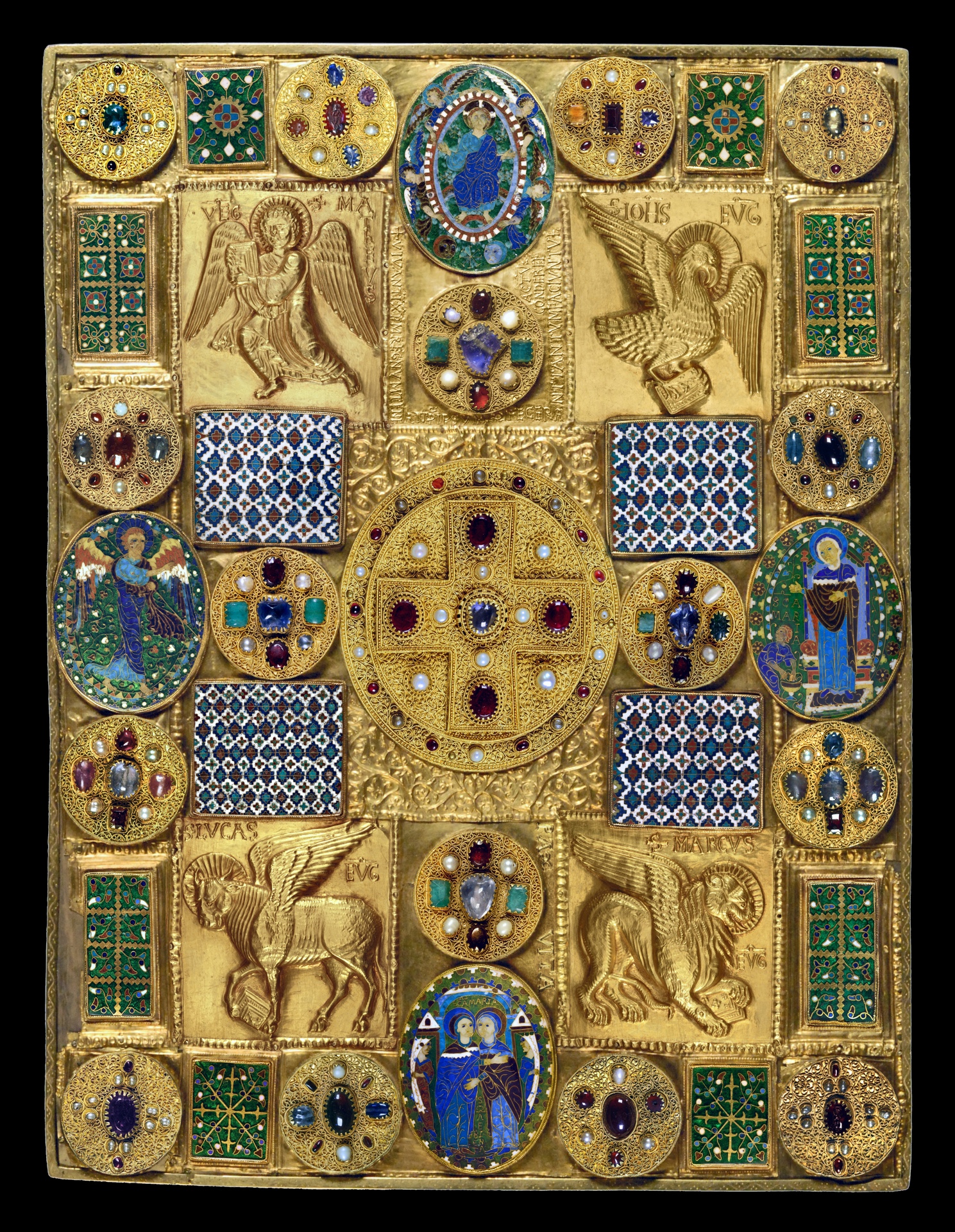
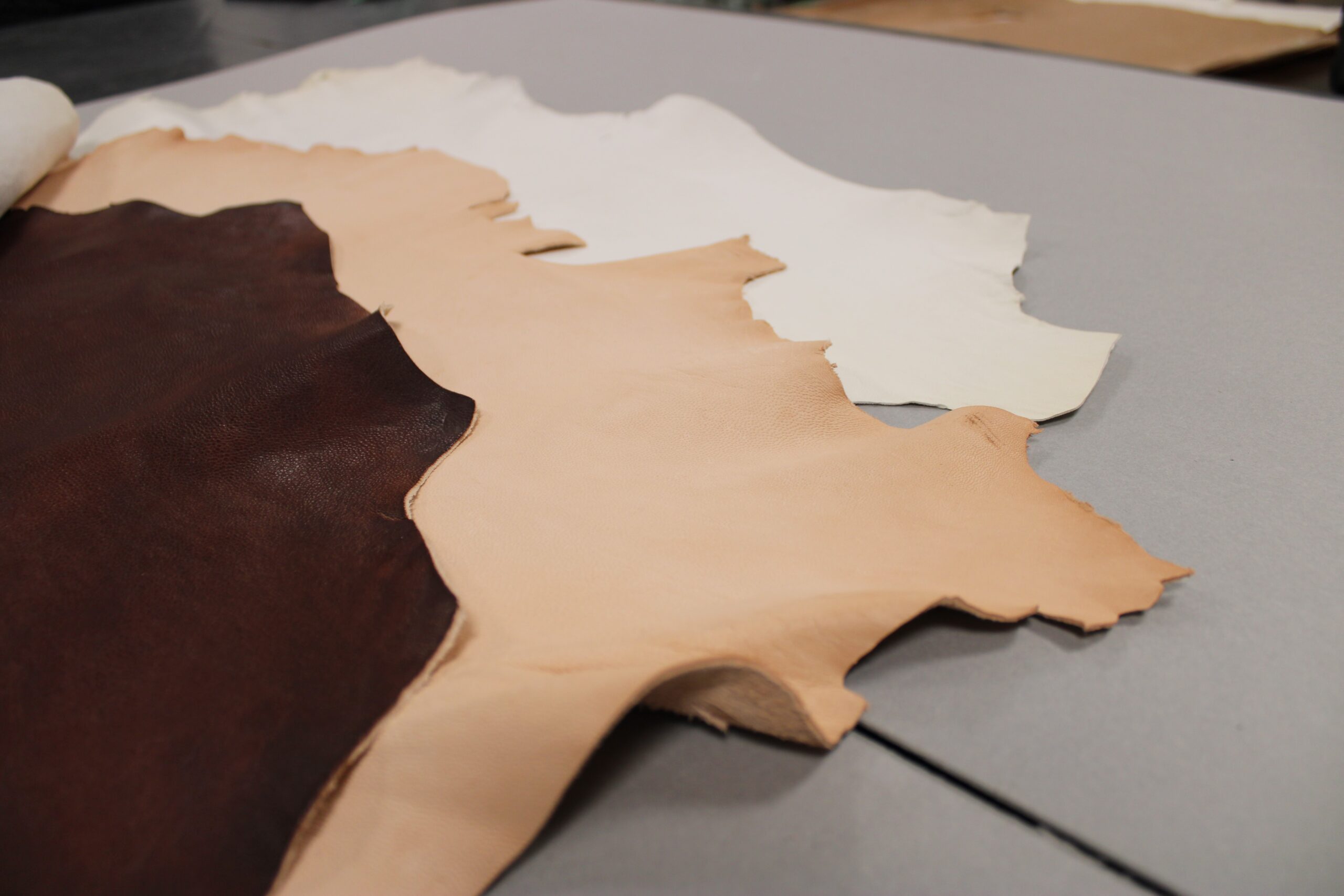
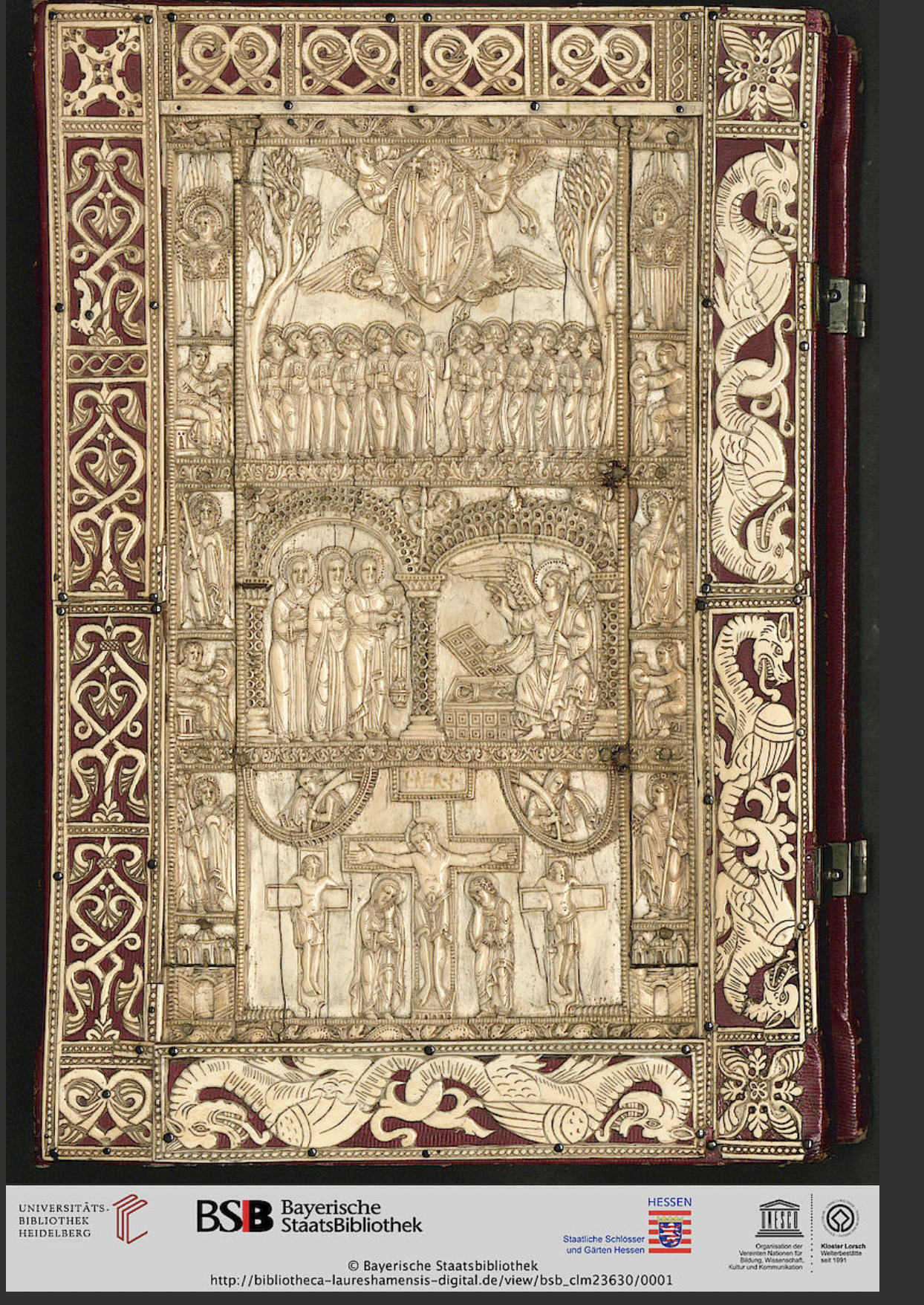
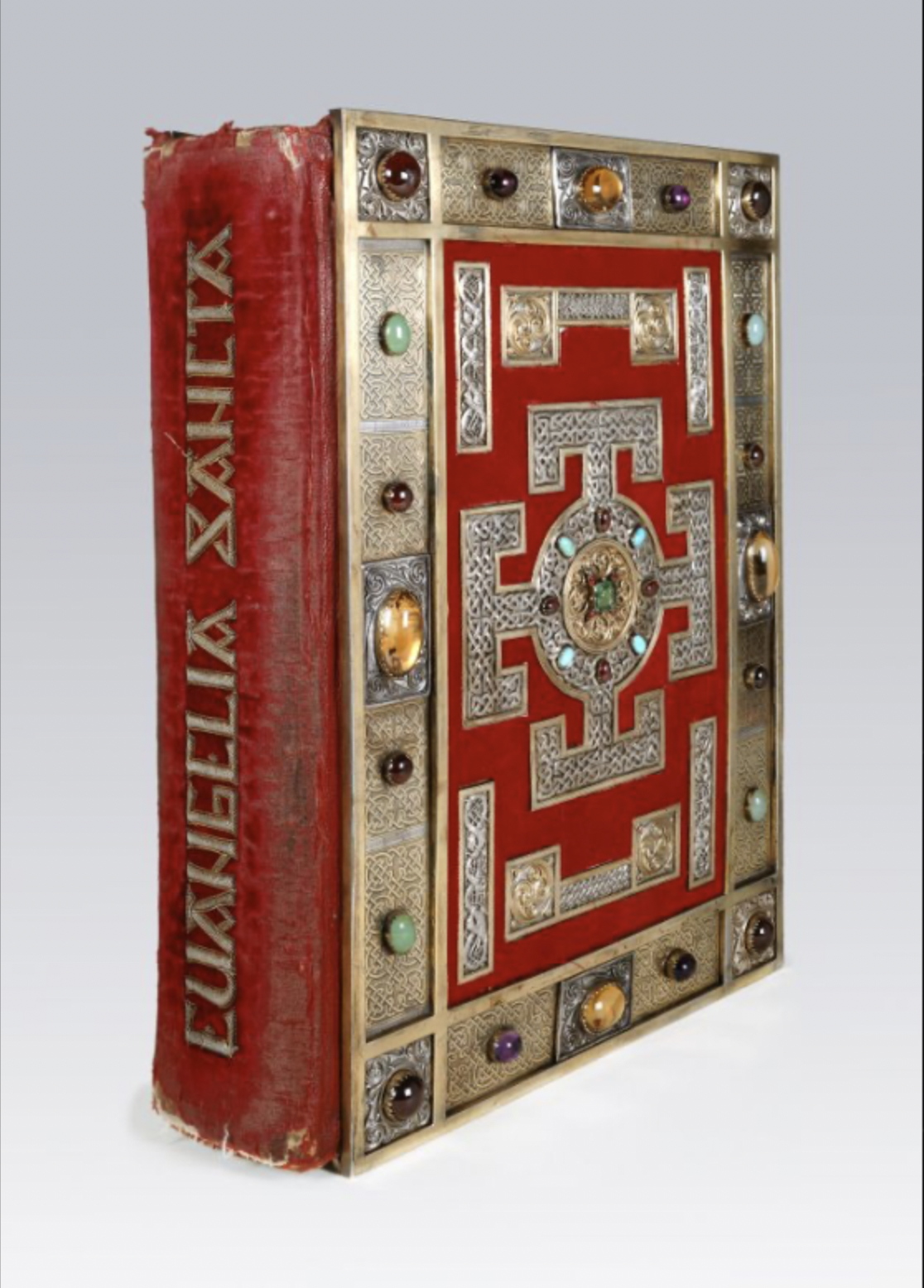
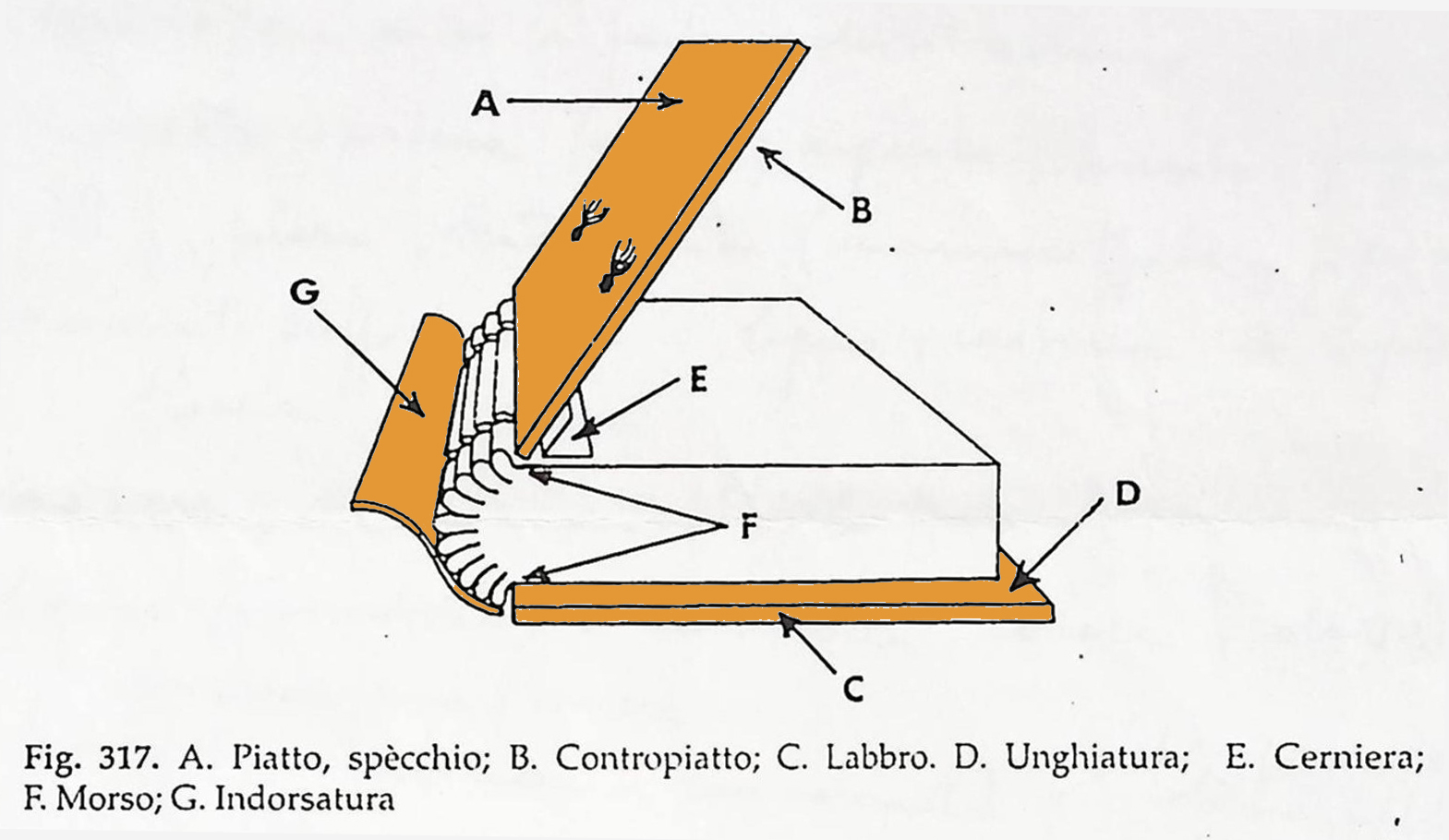
Binding constituted the external covering of the codex. Its task was to contain the quires and protect its structure from the mechanical stresses of use and when the book was stored on a shelf. Also, the first visible part often fulfilled an aesthetic purpose linked to the selection of materials and their decoration, which were factors that naturally influenced the preciousness and value of the artefact.

previous arrowprevious arrow
next arrownext arrow
collation
folio design
writing
">">decoration
binding
Fascicolo

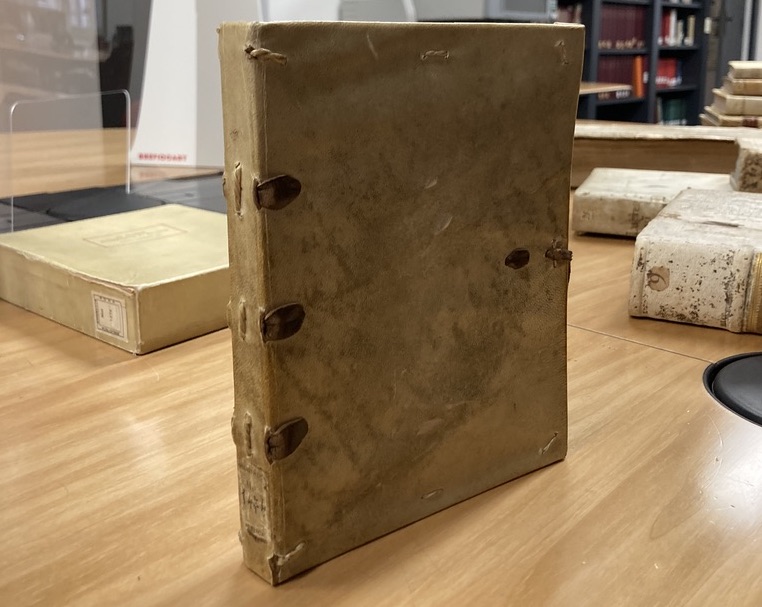
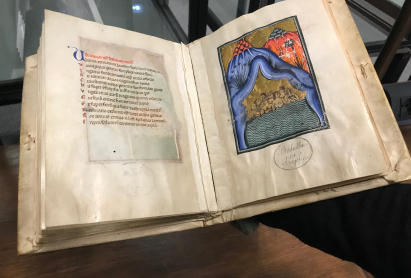
Quires from the De Balneis Puteonalis. Rome, Angelica Library, MS 1474, De Balneis Puteonalis.
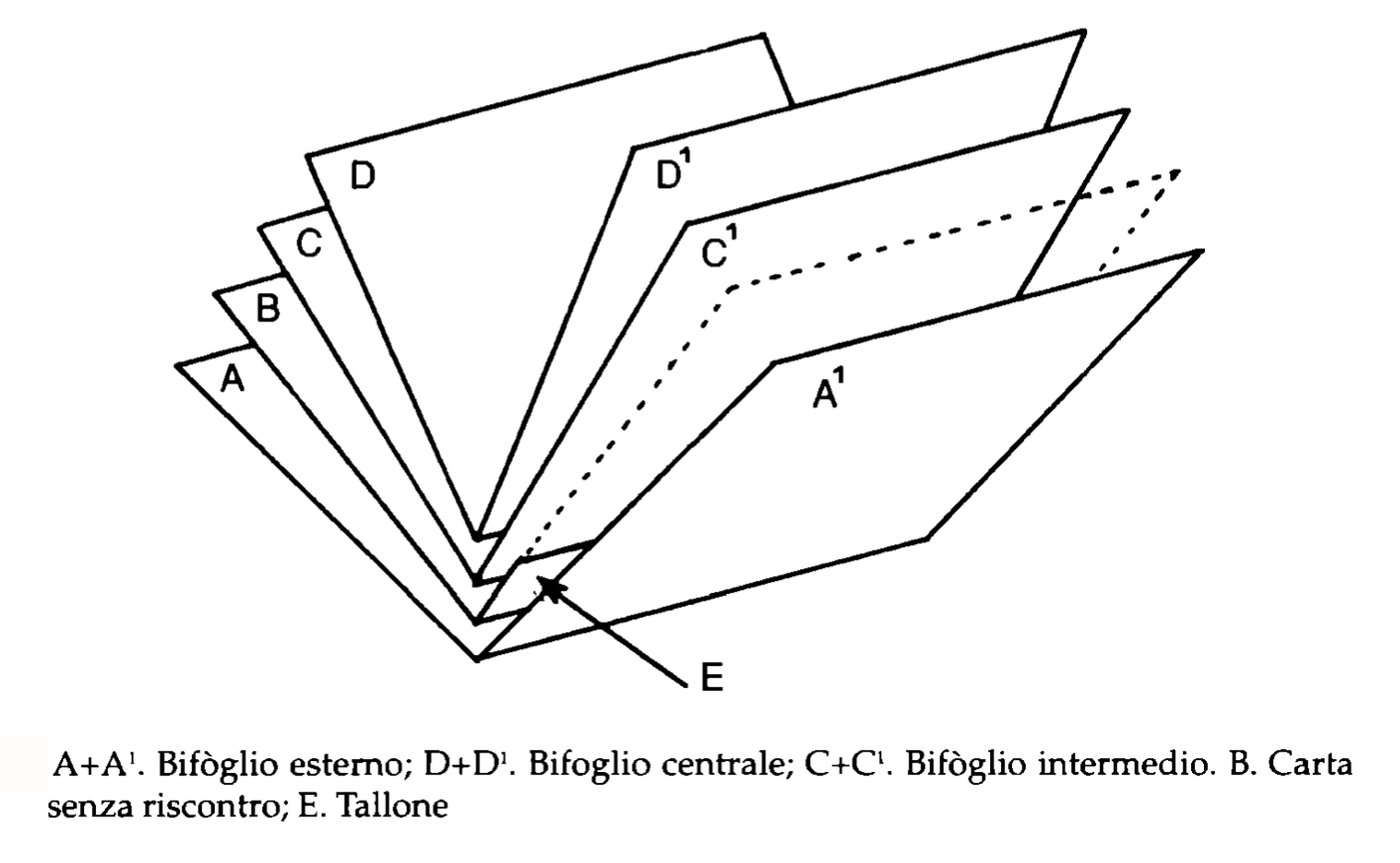
Facing diagram, folio without backing and heal, Maniaci Glossary, Editrice Bibliografica
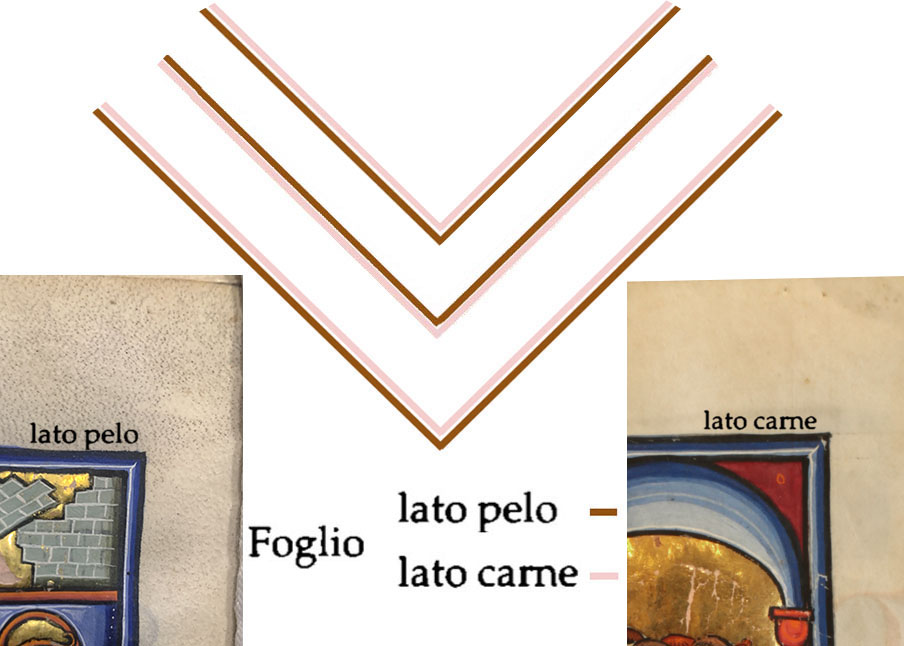
Diagram of Gregory’s law
previous arrow
next arrow
Foratura

Example of perforation. London, British Library, Egerton 2976, ff. 20v-21r
previous arrow
next arrow
Finalità e significato

Uta Codex. Monaco, Bayerische Staatsbibliothek, MS. BSB Clm 13601, Evangelistario, f. 1v.
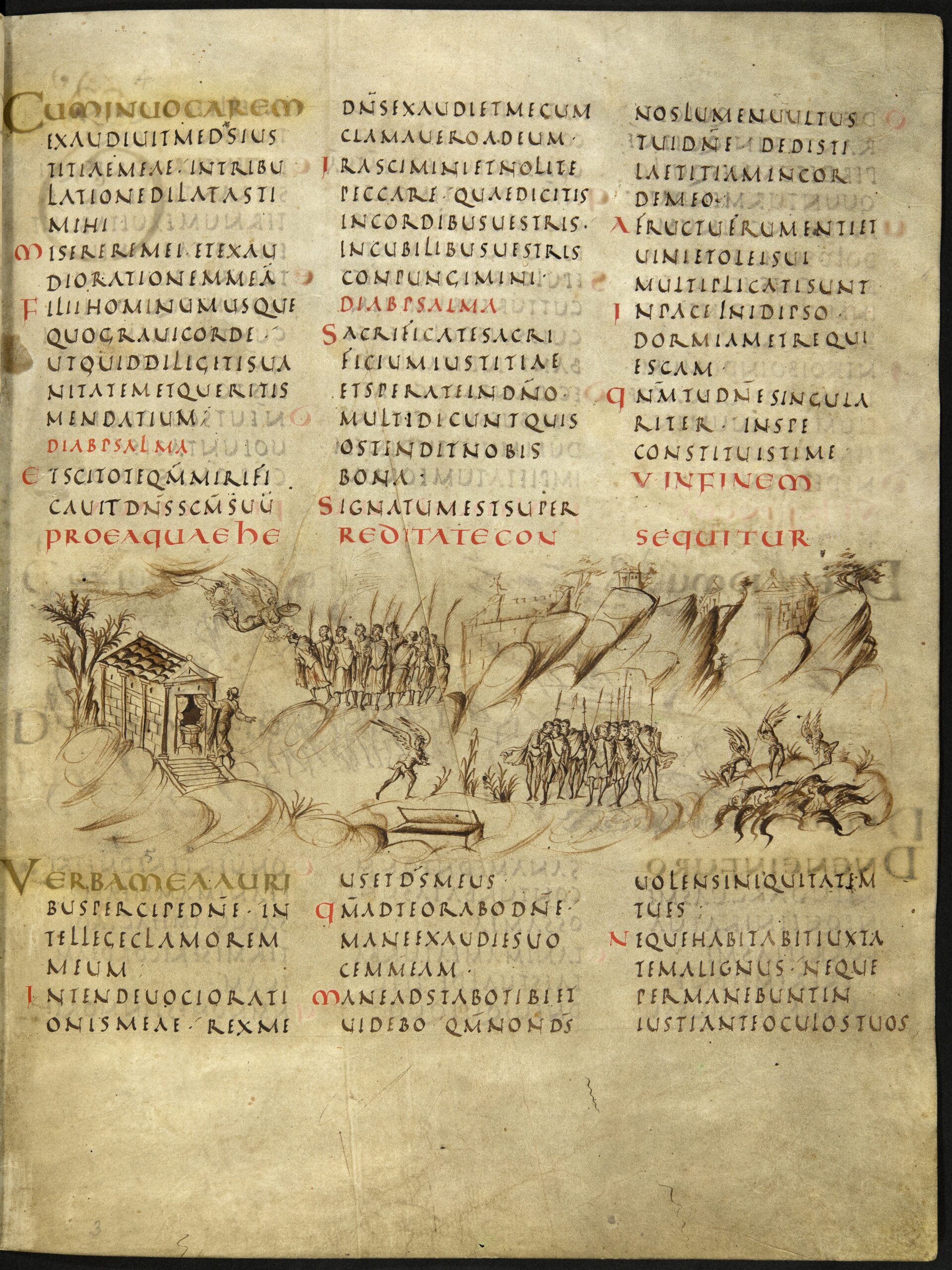
Carolingian manuscript in which miniatures are illustrated in the text, Utrecht, Universiteitsbibliotheek, ms. Hs. 32 (Eccl. 484), Salterio of Utrecht.
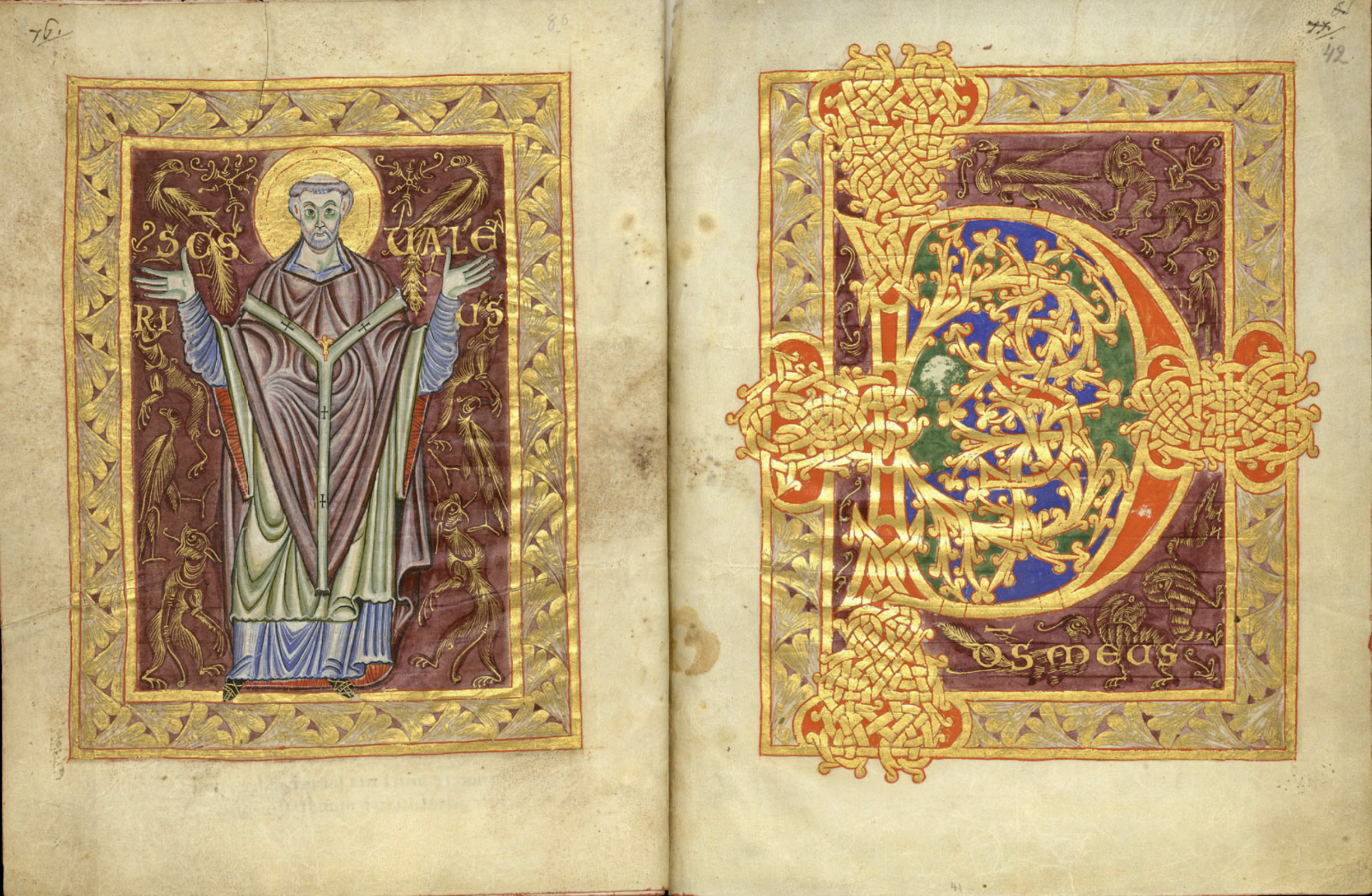
Masterpiece of the Ottonian miniature, Cividale del Friuli, Archaeological Museum, MS. 136, Salterio di Egberto, f.34v-35v
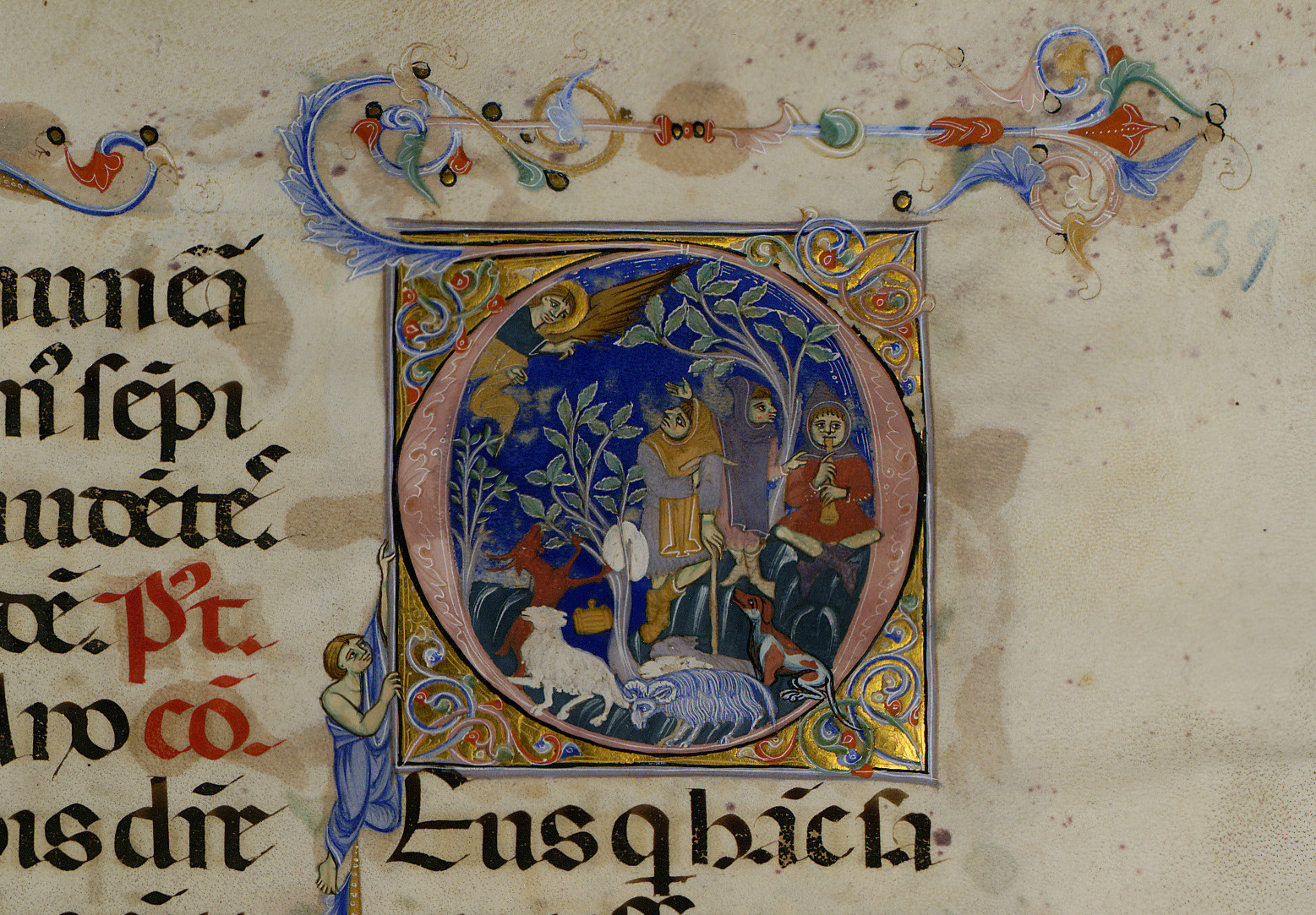
previous arrow
next arrow
Tecnica

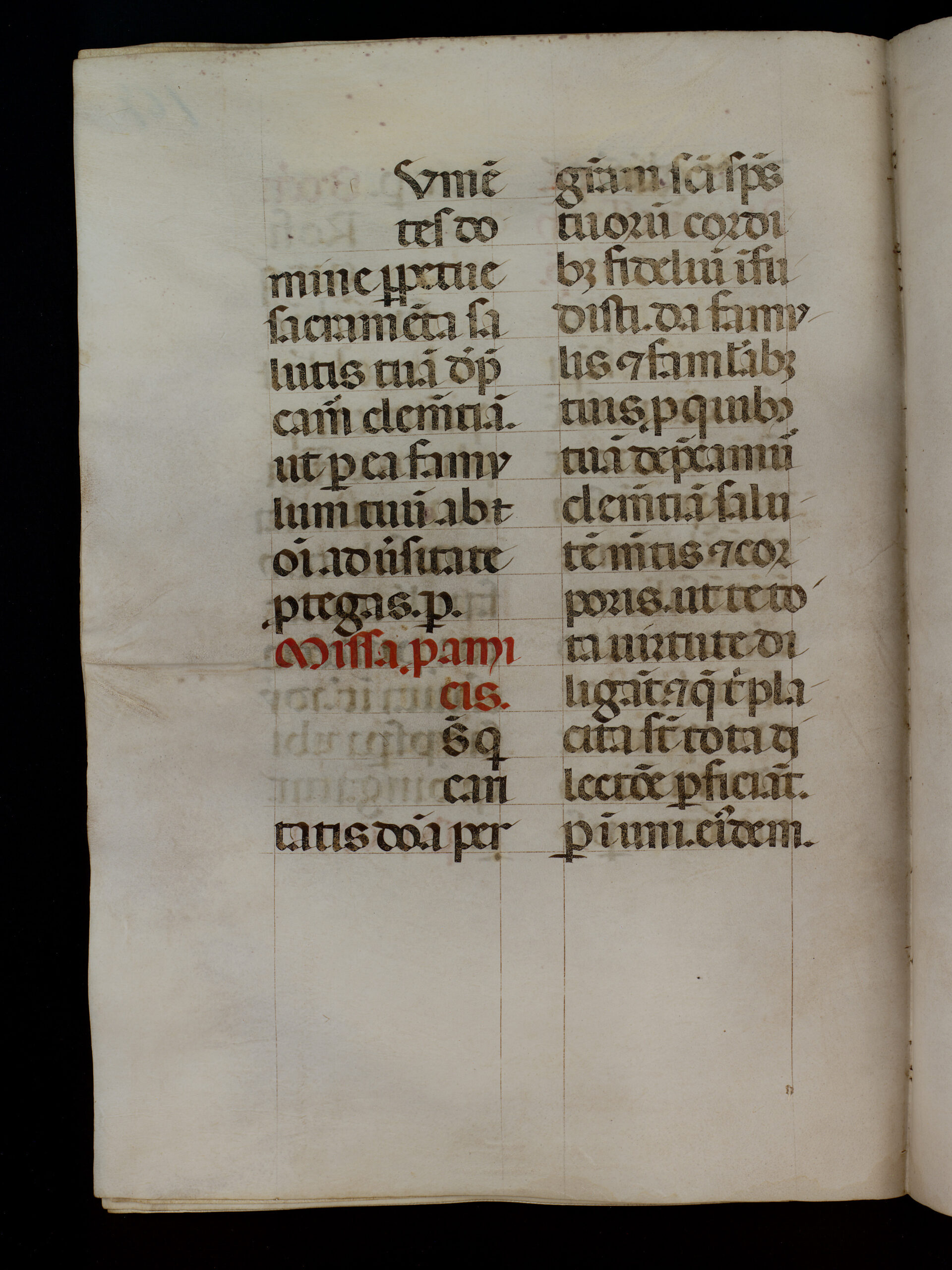

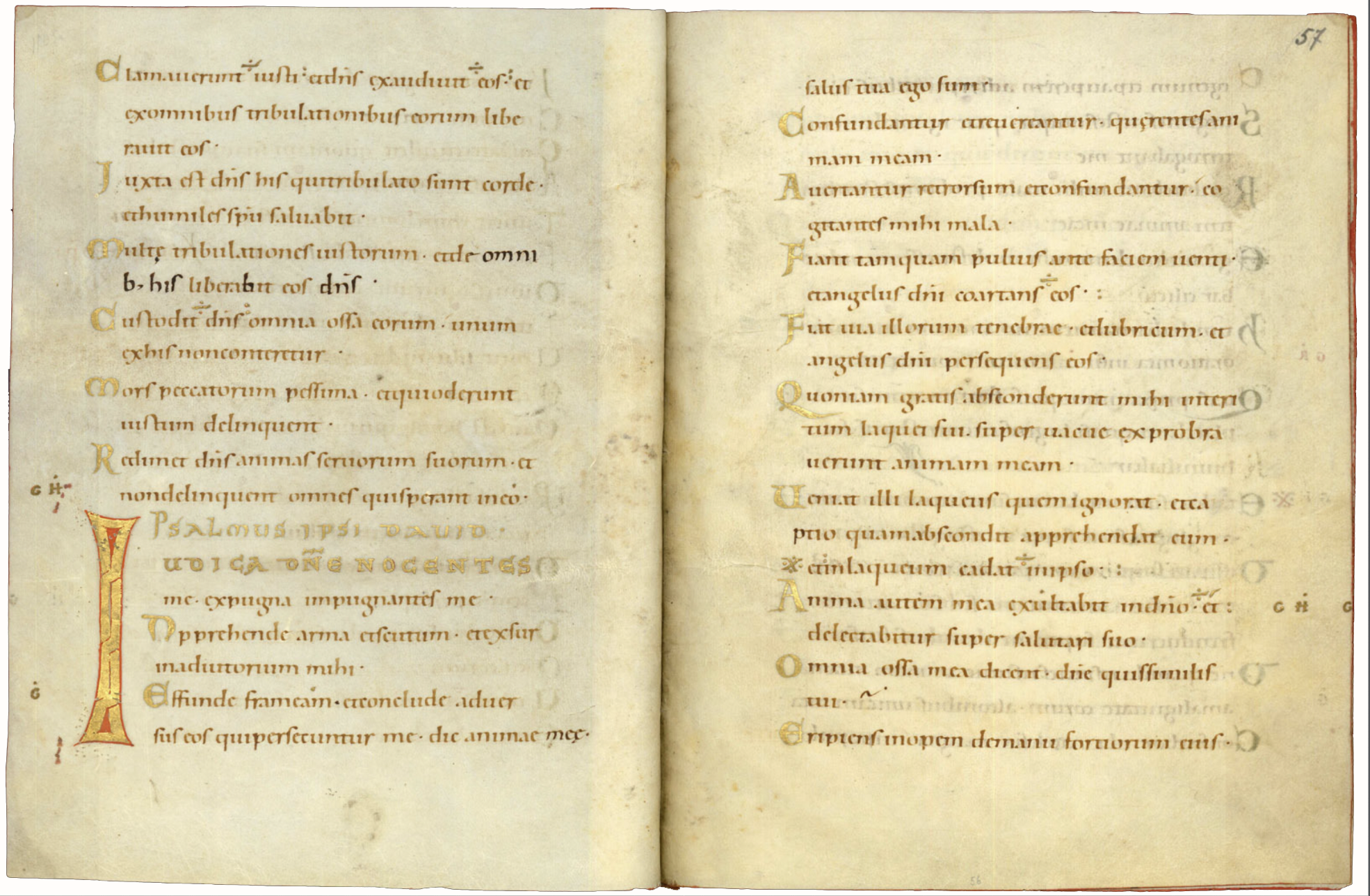
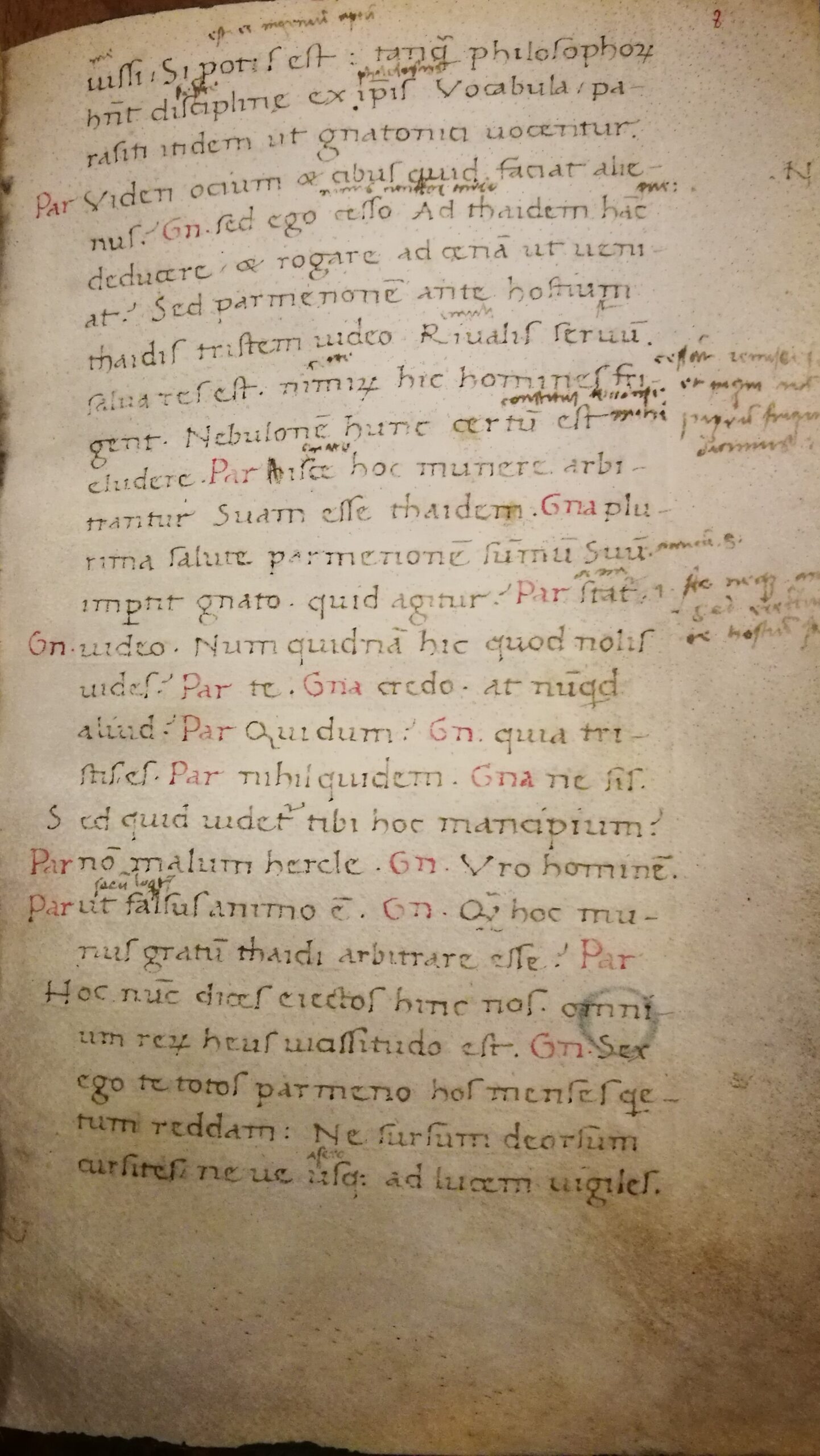
Example of Carolingian script. Cividale del Friuli, National Archaeological Museum, MS. 136, Salterio di Egberto, ff. 56v-57r.

Example of Beneventan script. Salerno, Diocesan Museum, MS. s.s., Omiliario, f. 8r.
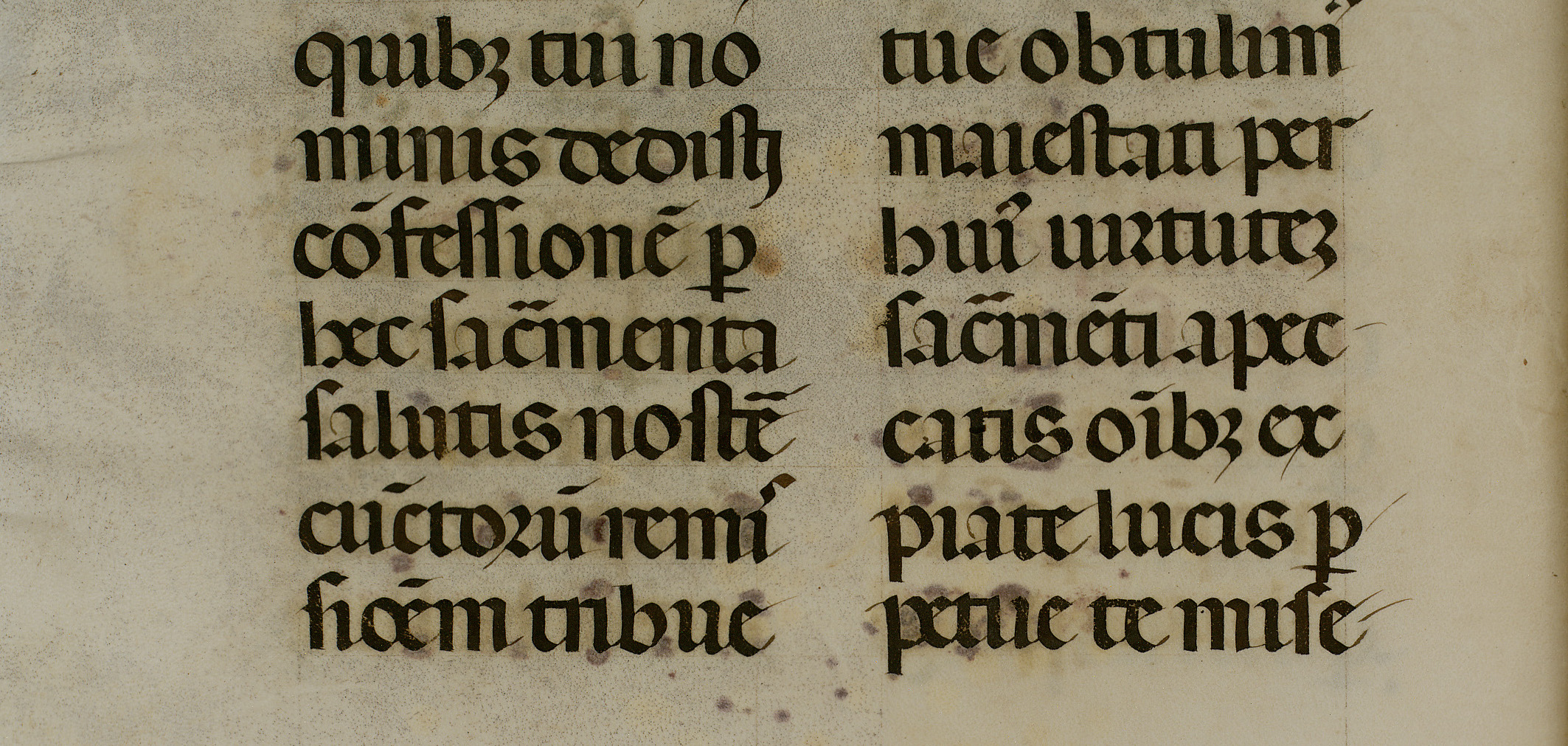
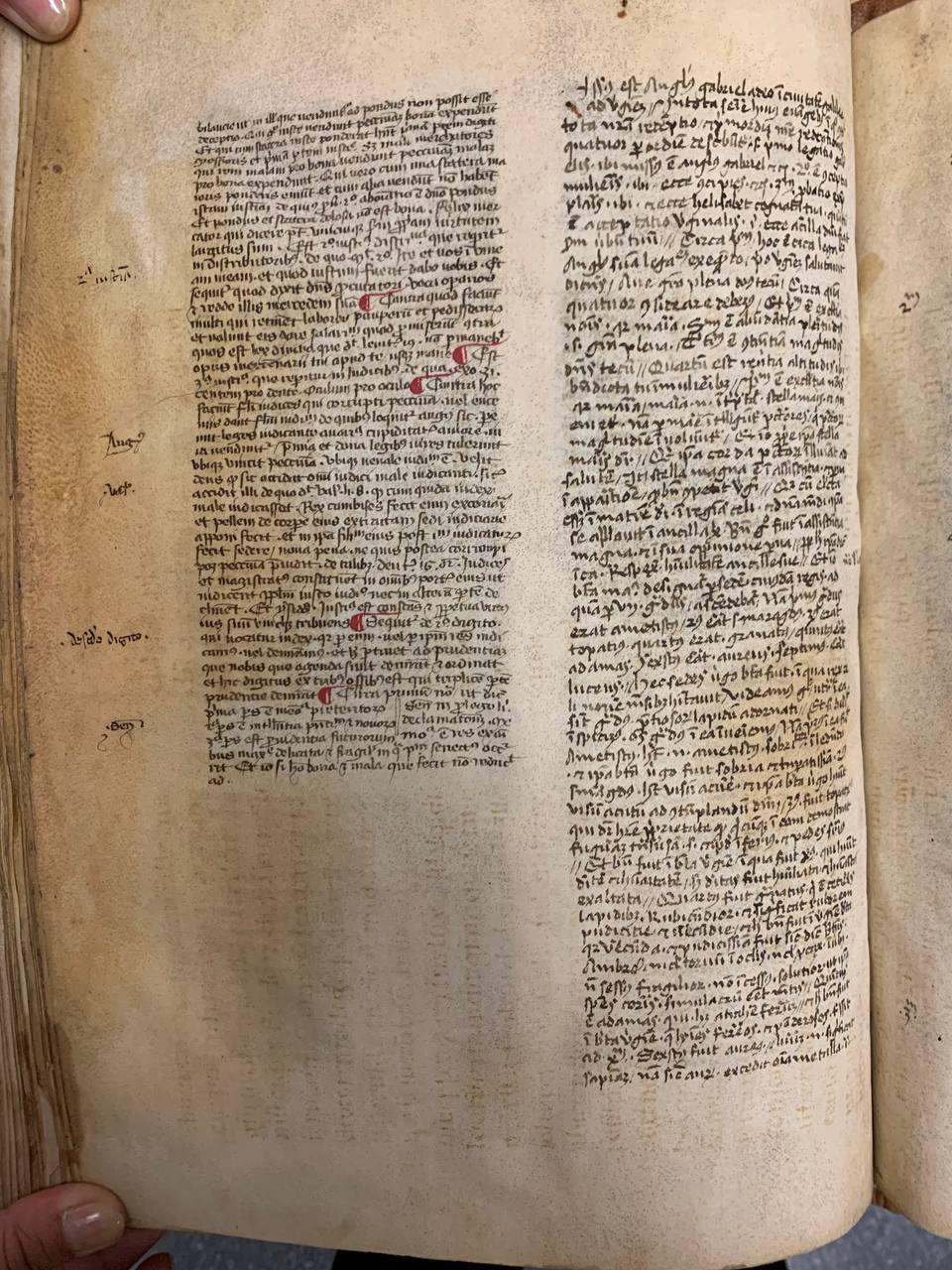
Example of Gothic script. Salerno, Diocesan Museum, MS. s.s., Pontificale, f. 208v.
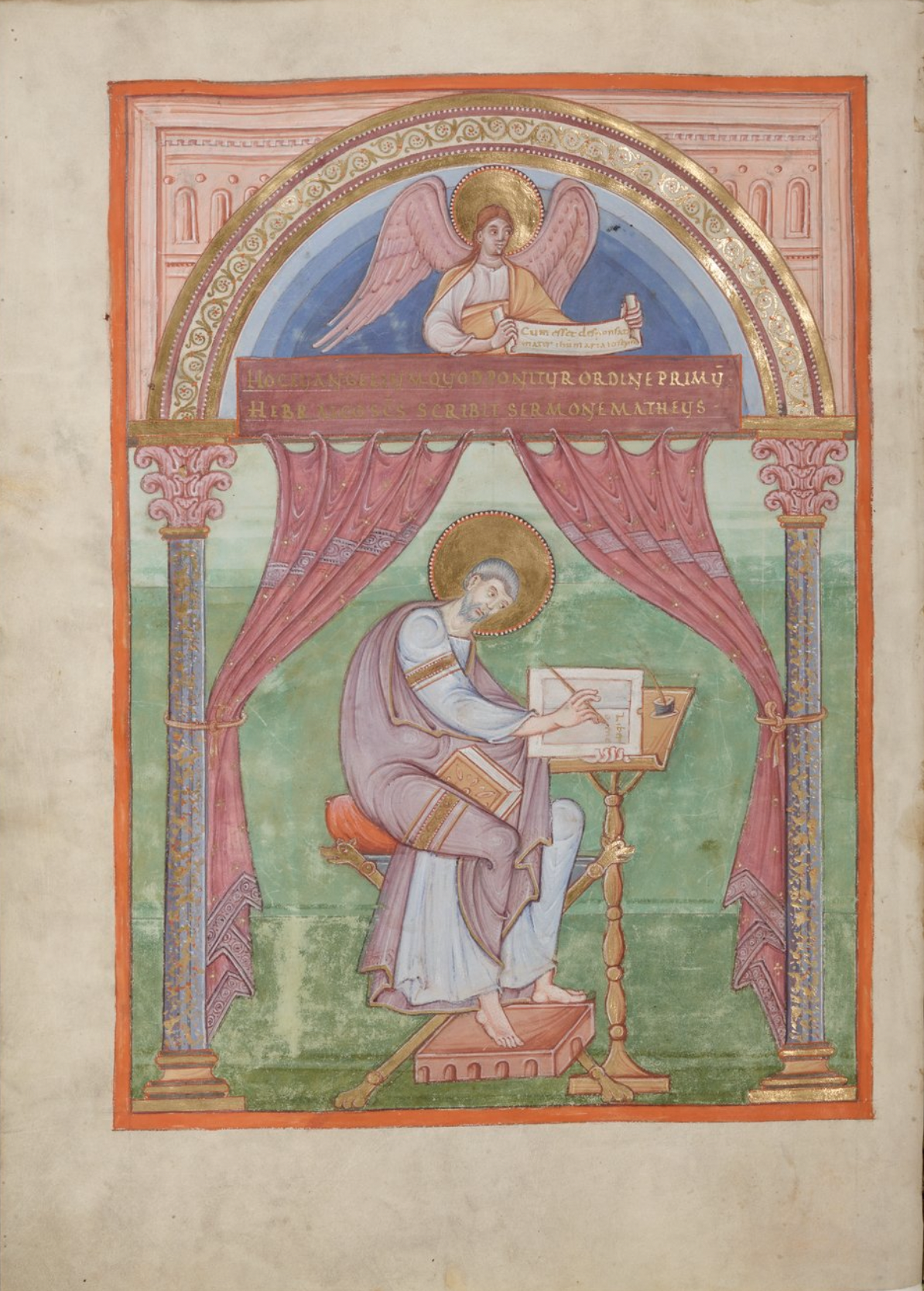
previous arrow
next arrow
A cosa serve

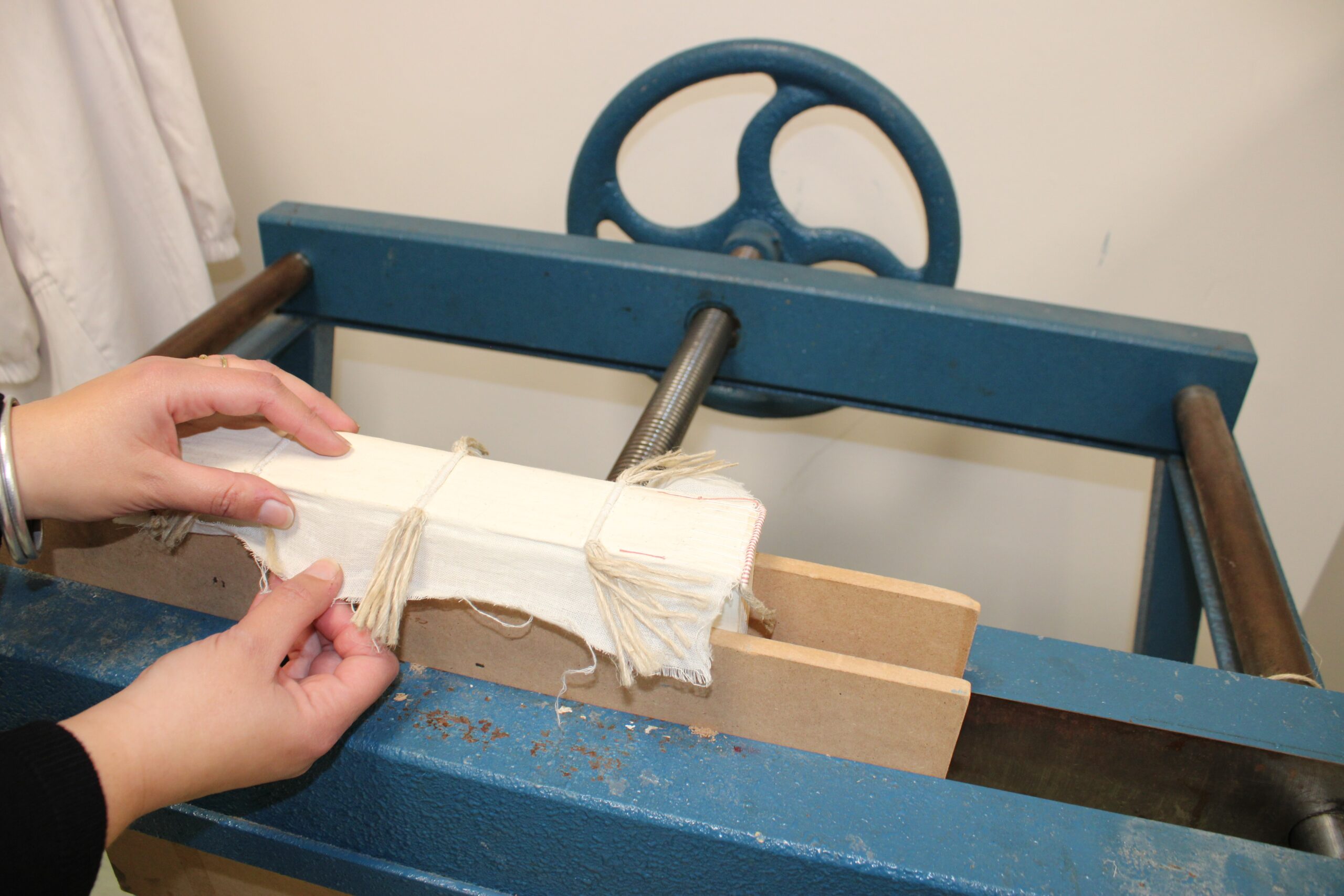
Examples of bindings made in a workshop. University of Rome Tor Vergata CoRLib Restoration Laboratory
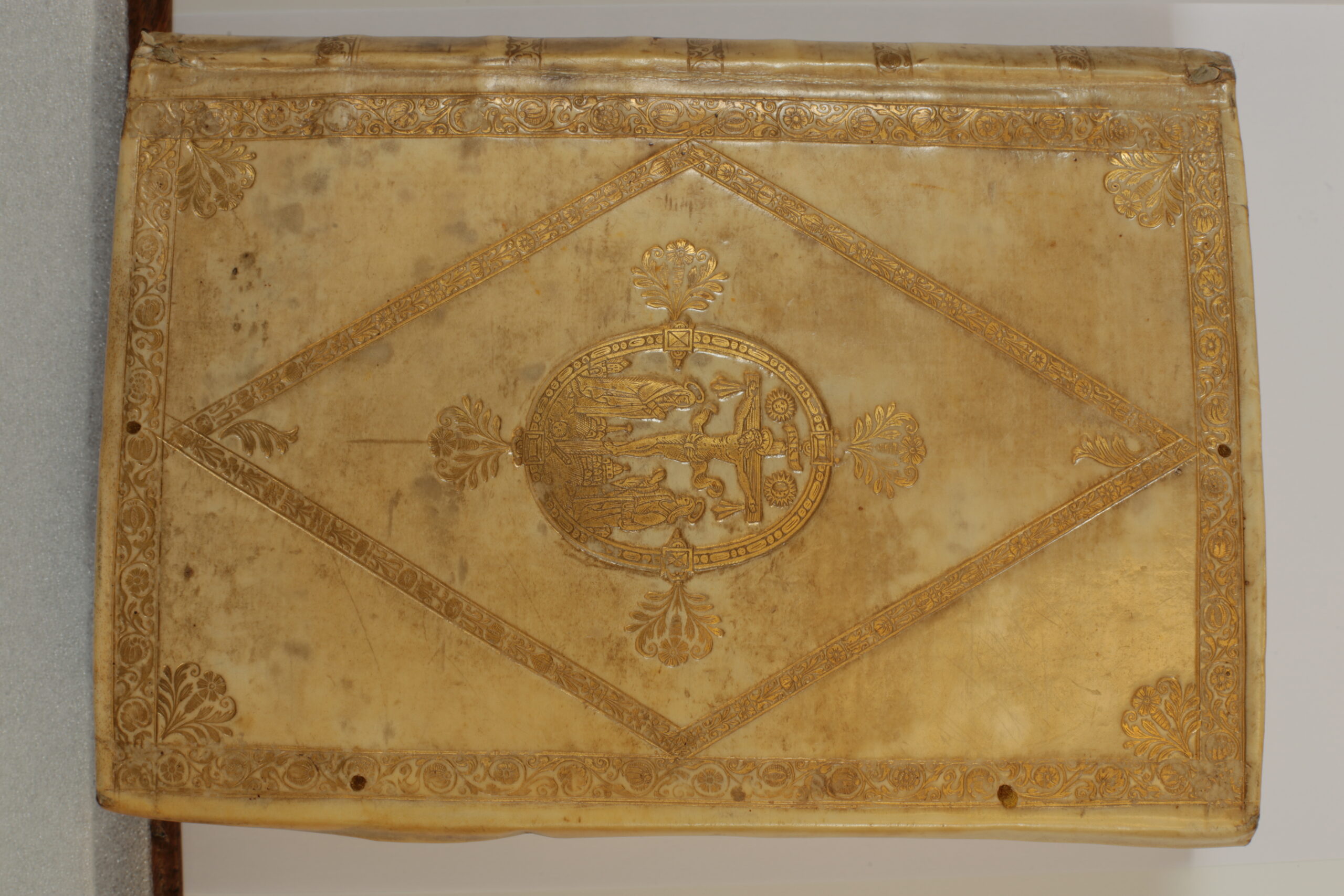
Cover. Rome, Angelica Library, MS 459, Book of Hours.
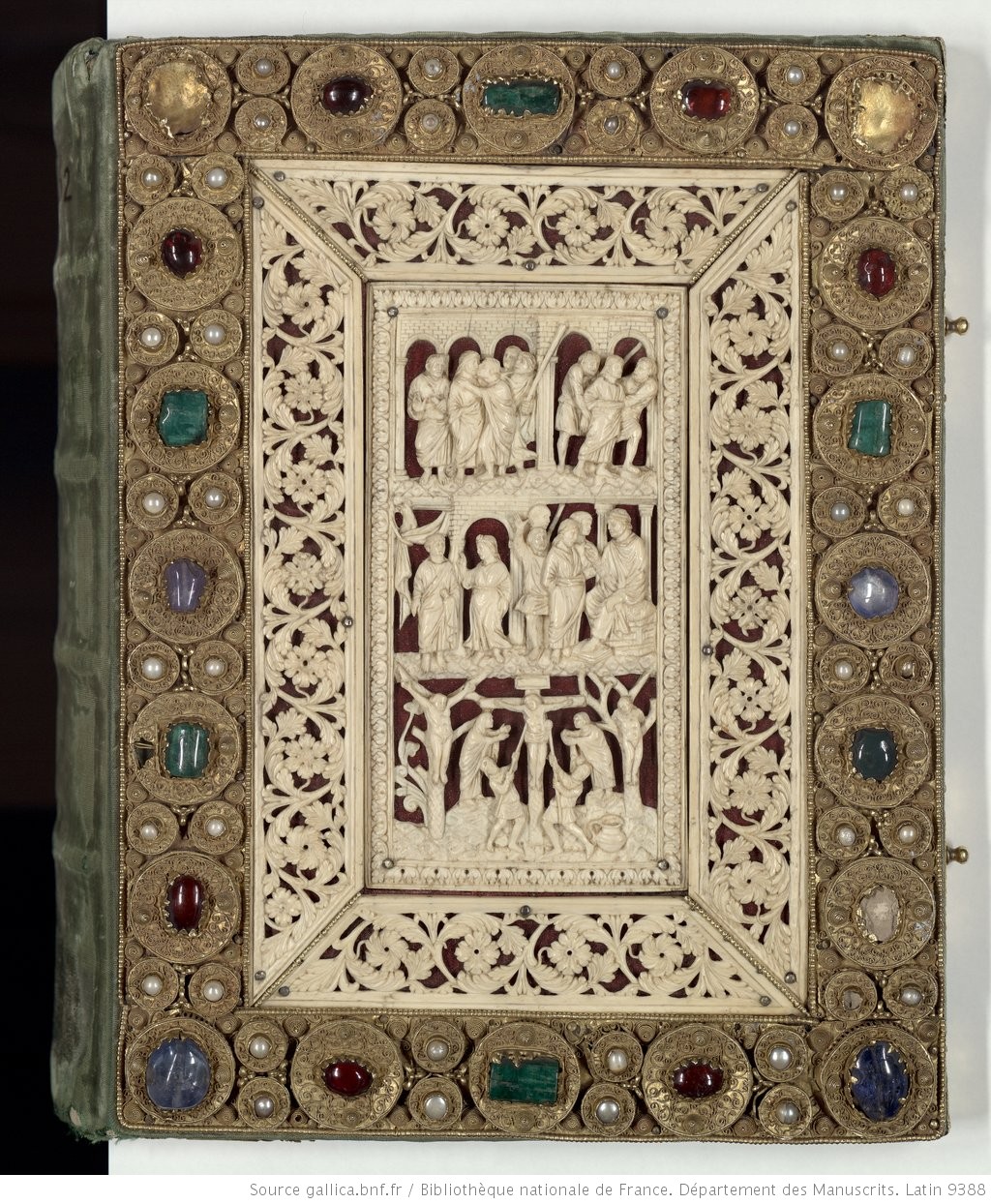
Cover with gems and ivory. Paris, Bibliothèque Nationale de France, MS Latin 9388, Cover.
previous arrow
next arrow
Scroll to Top